Apocalyptic Film Sparks Enthusiastic Cheers

The latest addition to the post-apocalyptic film genre, “28 Years Later: The Bone Temple,” introduces a fresh perspective on the classic zombie narrative. Unlike previous entries, this film explores themes of hope and human resilience amid societal collapse, inviting audiences to rethink their perceptions of survival.
28 Years Later: The Bone Temple Overview
Following the legacy of its predecessors, “28 Years Later: The Bone Temple,” directed by Nia DaCosta, brings a new approach to the series. The film, a sequel to the acclaimed “28 Days Later,” provides a different stylistic tone compared to Danny Boyle’s fast-paced original. It firmly stands out with its unsettling, yet sometimes humorous examination of humanity in dire situations.
Plot Highlights
- The story unfolds in a quarantined Britain, the origin of a devastating virus.
- The young protagonist, Spike, embarks on a journey beyond his village and encounters the “Jimmys,” a dangerous gang of teenagers.
- These characters are grotesque reflections of society, blending innocence with malevolence.
The Characters
At the center of the Jimmys is Sir Lord Jimmy Crystal, portrayed by Jack O’Connell. Crystal is a complex figure shaped by a pre-infection world. He mixes childlike playfulness with the chilling traits of a cult leader. The group’s aesthetics, inspired by notorious British television personality Jimmy Savile, add an eerie layer to their portrayal.
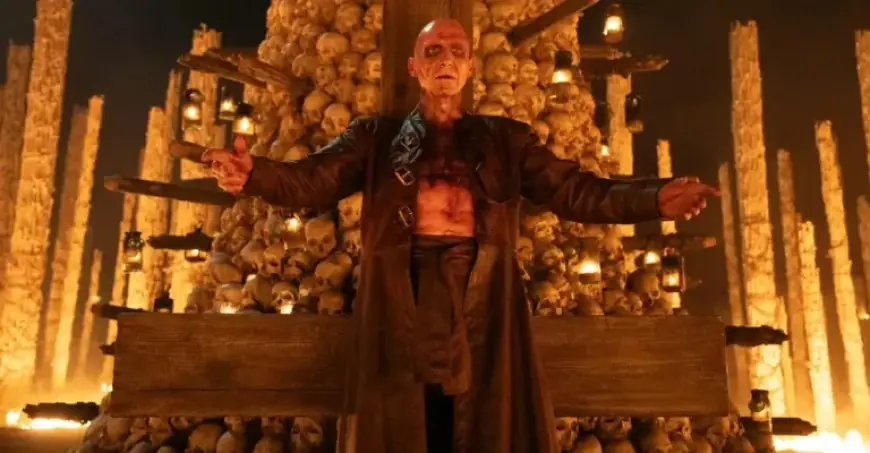
On the flip side is Dr. Ian Kelson, played by Ralph Fiennes, who seeks redemption in a ravaged world. His mission to commemorate the victims of the epidemic through a memorial made of bones reflects his moral compass. Kelson’s initiative encapsulates the enduring spirit of humanity amidst chaos.
Visual and Thematic Elements
Nia DaCosta’s direction diverges from Boyle’s kinetic style. Instead, she crafts a moody atmosphere that complements the film’s tone. The narrative oscillates between dark themes and surprising moments of compassion, showcasing humanity’s spectrum under extreme conditions.
Despite the grim subject matter, “The Bone Temple” contains moments of levity and inspiration. The juxtaposition of Spike’s struggles against the backdrop of Kelson’s hope offers a layered viewing experience. This blend of dread and optimism effectively drives home the film’s mission to highlight human resiliency in the face of desolation.
Conclusion
“28 Years Later: The Bone Temple” challenges viewers to reconsider what it means to survive against all odds. It’s an audacious retelling of a well-worn genre trope and earns enthusiastic cheers for its innovation. By melding horror with a thoughtful examination of belief and humanity, DaCosta cements the film’s place as a modern classic in the apocalyptic genre.