RAM Shortage Threatens Nvidia’s Budget 4K Gaming GPU

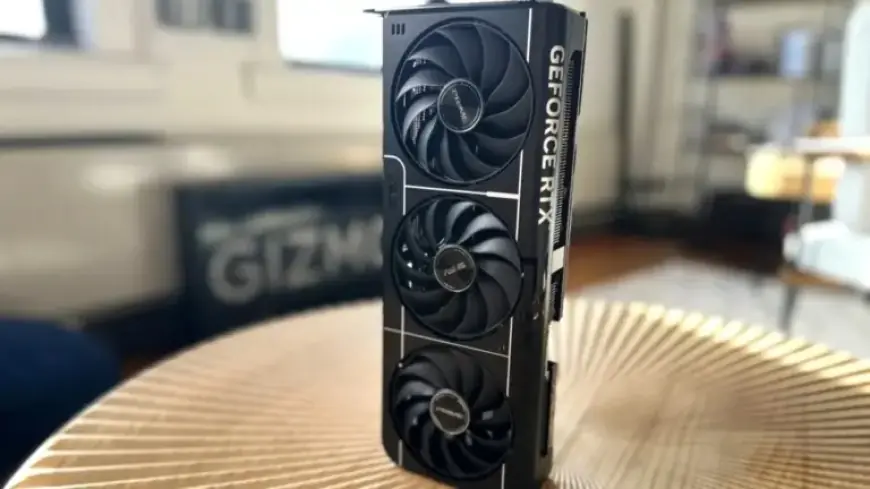
The ongoing RAM shortage poses a significant threat to Nvidia’s budget 4K gaming GPU market, particularly affecting the GeForce RTX 5070 Ti. This GPU has been recognized as a key player in the realm of 4K gaming, offering 16GB of VRAM necessary for high-resolution gaming experiences. However, reports indicate that Asus, a prominent Nvidia partner, is phasing out the RTX 5070 Ti, which could limit availability for gamers seeking powerful graphics capabilities.
GeForce RTX 5070 Ti Faces Phasing Out
Asus has reportedly placed the RTX 5070 Ti, including its TUF Gaming and Prime variants, into an end-of-life status. This means that existing stock will be the last chance for consumers to acquire this particular model. Asus has not officially confirmed this news, stating they cannot comment on broader distribution strategies for Nvidia products.
Impact of the RAM Shortage
The shortage of RAM is primarily due to major manufacturers like Samsung, SK Hynix, and Micron shifting their focus to producing high-end memory for AI data centers. This ongoing situation severely affects the availability of video random access memory (VRAM), which is crucial for rendering high-quality graphics. With more gamers seeking 4K capabilities, the demand for GPUs like the RTX 5070 Ti has surged, further complicating the inventory issues.
Shifting Priorities in GPU Production
Nvidia’s strategy seems to be evolving in response to the memory crisis. Reports suggest that the company may prioritize GPUs with 8GB of VRAM over those with larger capacities. While the RTX 5070 Ti maintains a 16GB option, the upcoming RTX 5060 Ti might see a shift toward an 8GB model to streamline production. This adjustment could limit options for gamers who prefer higher VRAM for enhanced gaming experiences.
Future Availability Concerns
Nvidia acknowledges the strong demand for its GeForce RTX series while simultaneously emphasizing the constrained memory supply. The company has stated that it continues to ship all GeForce SKUs, but the market conditions could lead to reduced inventory levels and increased prices. As we move into 2026, indications suggest that the decline in GPU supply will likely push costs higher.
Looking Ahead
The uncertainty surrounding Nvidia’s future GPU lineup, including possible delays in next-generation models, adds to the growing concerns among PC gamers. As lower-end models with 8GB of VRAM might become the only options readily available, the overall health of the gaming GPU market remains in question.
Conclusion
The memory shortage is set to impact Nvidia’s capacity to maintain a competitive edge in the 4K gaming segment. As prices rise and availability shrinks, gamers may find themselves struggling to secure the high-performance GPUs needed for an optimal gaming experience.