Google Fast Pair Devices Exposed to “WhisperPair” Bluetooth Vulnerability

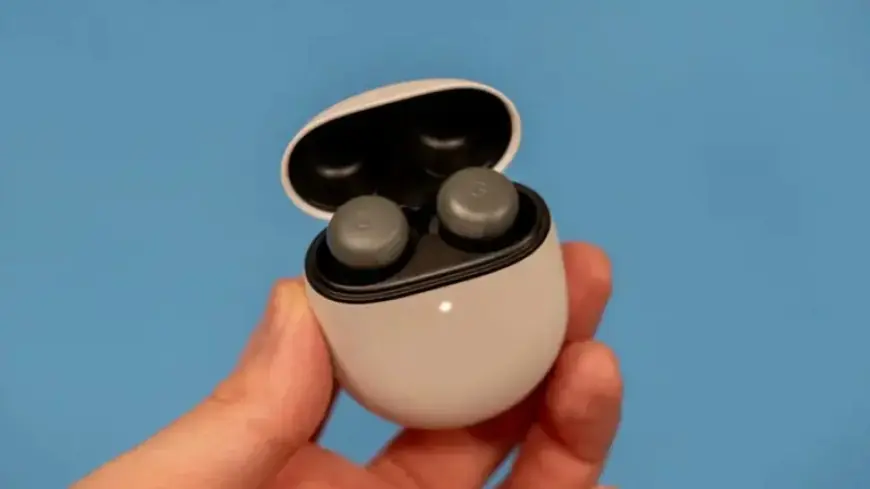
Recent research has uncovered a serious vulnerability affecting Google Fast Pair devices, known as “WhisperPair.” This security flaw poses a significant risk by enabling remote hacking of Bluetooth devices, particularly headphones. The discovery was made by a team at KU Leuven University in Belgium.
The WhisperPair Vulnerability
The WhisperPair vulnerability compromises the security of Fast Pair-enabled devices. This means that even if users haven’t directly engaged with Google products, their devices could still be at risk. The flaw impacts over a dozen devices from ten different manufacturers.
Affected Manufacturers
- Sony
- Nothing
- JBL
- OnePlus
Manufacturers are urged to create patches to address the vulnerability after Google informed them of the issue. The complete list of impacted devices is available on the project’s website.
Ease of Exploitation
Researchers have determined that exploiting the vulnerability is alarmingly simple. An attacker can gain access to a vulnerable Fast Pair device in approximately ten seconds while operating within a radius of up to 14 meters. This distance is sufficient for attackers to remain unnoticed while they hijack devices.
Potential Risks
Once an attacker successfully connects to a compromised audio device, they can execute various actions. These include:
- Interrupting the audio stream
- Playing unauthorized audio
However, the risks extend beyond mere inconveniences. The WhisperPair vulnerability also facilitates:
- Location tracking
- Unauthorized microphone access
This capability allows attackers to overhear conversations and monitor users through the Bluetooth devices they carry.
Conclusion
The implementation of Google Fast Pair has simplified Bluetooth device connectivity but introduced significant security concerns due to the WhisperPair vulnerability. Users should stay informed about potential risks and await updates from manufacturers to safeguard their devices.