Saks Bankruptcy Boosts Macy’s Competitive Edge

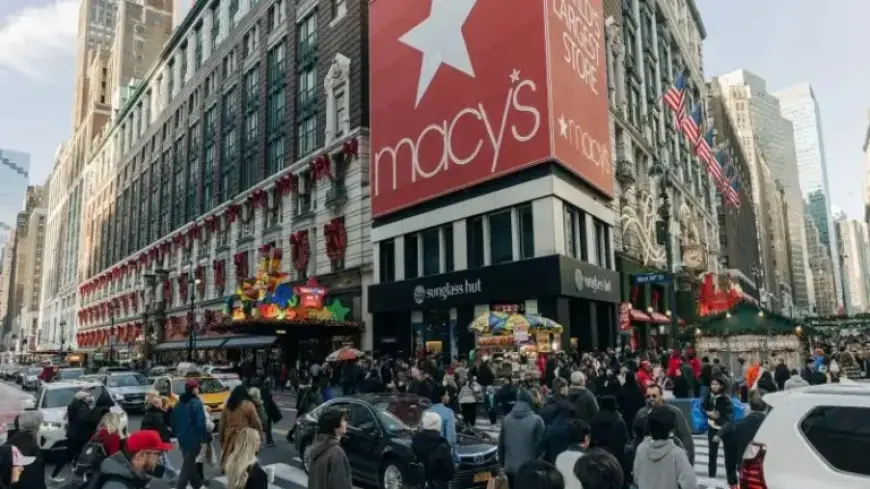
The luxury retail sector is currently navigating turbulent waters. Recent bankruptcies, including that of Saks Global, raise questions about the future of established players like Macy’s. Despite the challenges, Macy’s is carving out a competitive edge, particularly through its subsidiary, Bloomingdale’s. As Saks faces bankruptcy, Macy’s has the opportunity to capture market share and solidify its standing in the retail landscape.
Saks Bankruptcy and Its Impact on Macy’s
Saks Global filed for bankruptcy protection late Tuesday, joining the ranks of other fallen retailers like Lord & Taylor and Neiman Marcus. This development leaves Macy’s and Bloomingdale’s with increased room to grow within the luxury market.
Macy’s Resilience in Challenging Times
Macy’s has effectively defied predictions of doom in the retail environment by returning to fundamental business practices. The company experienced significant pressure during the pandemic, which hindered demand for high-end apparel. Yet, Macy’s successfully resisted private-equity offers aimed at exploiting its real estate while prioritizing long-term sustainability.
The Leadership Shift
In a strategic move, Macy’s appointed Tony Spring, a veteran of Bloomingdale’s, as CEO nearly two years ago. Spring’s leadership has emphasized operational basics like improving customer service and maintaining store organization.
Positive Trends and Future Plans
- Macy’s has closed over 100 underperforming stores, with 14 more closures planned for the current year.
- The retailer achieved its first quarterly sales growth in years, with a year-over-year increase of nearly 1% that exceeded analyst expectations.
- In December, Macy’s recorded its strongest same-store sales growth in three years.
Despite these gains, Macy’s remains vigilant. While Saks’ bankruptcy presents a competitive edge, the retailer must continue adapting amid a shift towards e-commerce and changing shopper preferences.
Challenges Ahead
The luxury market is experiencing a transformation. Consumers are voicing dissatisfaction with high prices and declining product quality. Furthermore, the secondhand luxury market is flourishing through platforms like The Real Real, shifting consumer habits away from traditional department stores.
Analysts believe that Macy’s commitment to retail fundamentals will stand them in good stead as the industry evolves. Neil Saunders, a retail analyst, stated that the bankruptcy of Saks underlines the necessity for luxury department stores to prioritize their customers.
Macy’s proactive approach could enable it to thrive even as the retail landscape continues to change dramatically.