Marco Rubio Transforms into Key Enabler of Trump’s Foreign Policy

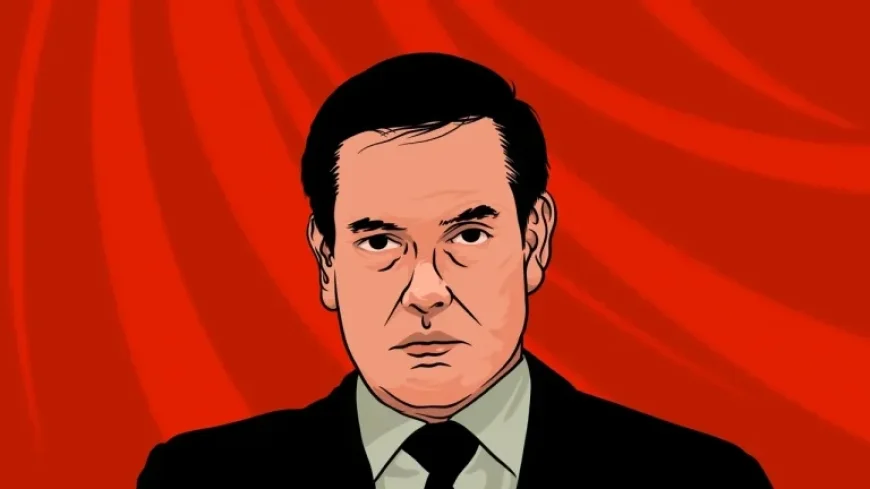
Marco Rubio, now a prominent figure in U.S. foreign policy, has dramatically shifted his role under President Trump. As Secretary of State and national-security adviser, he holds a powerful diplomatic position reminiscent of Henry Kissinger. However, unlike Kissinger’s interventionist strategies, Rubio appears more as a supporter of the President’s rapidly changing policies.
Rubio’s Role in Trump’s Foreign Policy
Since Trump’s reelection, the foreign policy agenda has transformed under the motto of “America First.” This approach emphasizes U.S. self-interest over traditional alliances and commitments established after World War II. Significant changes include:
- Cutting tens of billions in humanitarian and development aid
- Withdrawal from landmark agreements like the Paris climate accord
- Reducing oversight on human rights abuses
Rubio has been tasked with justifying these shifts. He reassures allies during crises and seeks to provide understanding in a tumultuous administration. Following the recent attacks on Venezuela—parallels were drawn to the Iraq War—Rubio defended the differences in circumstances, stating, “This is not the Middle East.”
Criticism and Support
Opinions on Rubio’s effectiveness vary. Some European officials believe he attempts to moderate Trump’s more extreme policies. One foreign minister remarked, “He’s whispering in Trump’s ear but has limited influence.” Others criticize him for enabling an isolationist stance, which could alienate traditional allies.
Concerns surrounding this shift reflect fears of the U.S. evolving into a rogue state. Eric Rubin, a former ambassador, stated, “The damage is going to take years to repair, if it can ever be repaired.”
Rubio’s Political Journey
Marco Rubio, born to Cuban immigrants, embarked on a significant political path early in his career. He was first elected to the Florida House of Representatives in 1999. His rise continued as he sought the speakership just four years later, navigating complex legislative dynamics.
He won support from rural legislators, enabling him to overcome challenges faced by previous candidates. Despite criticisms for a thin legislative record, he initiated several programs, including private-school scholarship expansions and government efficiency committees.
Rumors of integrity issues have shadowed Rubio, with claims that he has compromised his principles for political gain. This notion raises questions about the consistency of his policy positions and loyalty to his current role within the Trump administration.
Conclusion
In a volatile political landscape, Marco Rubio stands at a critical juncture. His ability to balance loyalty to President Trump with the ideals he once championed will determine both his future and the direction of U.S. foreign policy. As the nation navigates increasingly complex global dynamics, Rubio’s influence as a key enabler of Trump’s foreign policy will be scrutinized closely.