December Inflation Stays Stubborn with 2.7% CPI Increase

The Consumer Price Index (CPI) recorded a steady annual increase of 2.7% in December 2025. This figure aligns with economists’ predictions and remains unchanged from the previous month’s rate. Throughout 2025, many Americans reported feeling financial pressures due to rising prices.
Economic Overview
The CPI is pivotal as it measures price fluctuations in a basket of consumer goods and services, including food and clothing. In December, analysts had anticipated a 2.6% rise on an annual scale, slightly lower than the actual figure.
CPI Metrics
In detail, core inflation—excluding food and energy—rose by 2.6% over the last year. Economists had estimated this measure would increase by 2.7%. December’s CPI reflected that inflation had stabilized at the same rate as in November.
Food Prices Surge
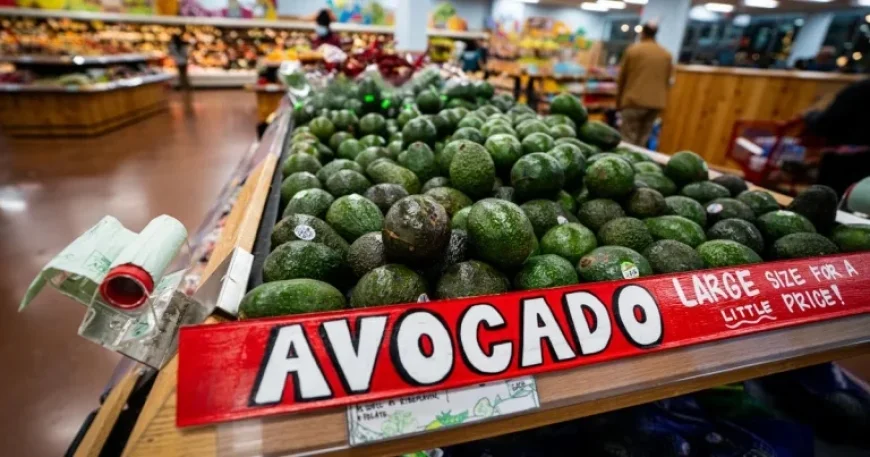
Food costs experienced a notable surge, climbing 3.1% in December, an increase from November’s 2.6%. This marked the highest food price rise since August. Key observations include:
- Ground beef prices increased by 15.5% year-over-year.
- Coffee prices surged by 19.8%.
- Bananas saw a price rise of 5.9%.
- In contrast, egg prices plummeted by 20.9% compared to the prior year.
Continued Economic Pressures
Despite prices generally stabilizing, many households are still grappling with high costs, particularly for essential items. The year ended with inflation levels below the pandemic peak of 9.1% recorded in June 2022. However, store tariffs under former President Trump did not significantly fuel inflation as many retailers absorbed the additional costs.
Federal Reserve Insights
The Federal Reserve cut interest rates three times in late 2025 to stimulate the economy amid a cooling labor market. Fed Chair Jerome Powell indicated that labor market conditions were more concerning than the risk of renewed inflation. As of January 27-28, 2026, the next federal meeting will address ongoing economic challenges.
Expert Opinions
Analysts believe inflation is unlikely to drop to the targeted 2% in 2026, although it may approach that figure if the Federal Reserve maintains its independence. In December, core inflation rose by only 0.2%, which was below the expected increase of 0.3%.
Despite some indicators suggesting a cooling in inflation, costs in critical areas, especially food and housing, continue to strain consumers’ budgets. “December’s CPI data shows rising pressures across essential consumer product categories,” remarked Rob Holston, a leader in consumer products at EY.
Looking Ahead
Current economic conditions suggest that the Federal Reserve is likely to maintain interest rates within the 3.5% to 3.75% range following its January meeting. As reported by CME Group’s Fed Watch Tool, there is a 95% probability that rates will remain unchanged during this period.