East Coast Demand Surges for Trump’s Least-Favored Energy Source

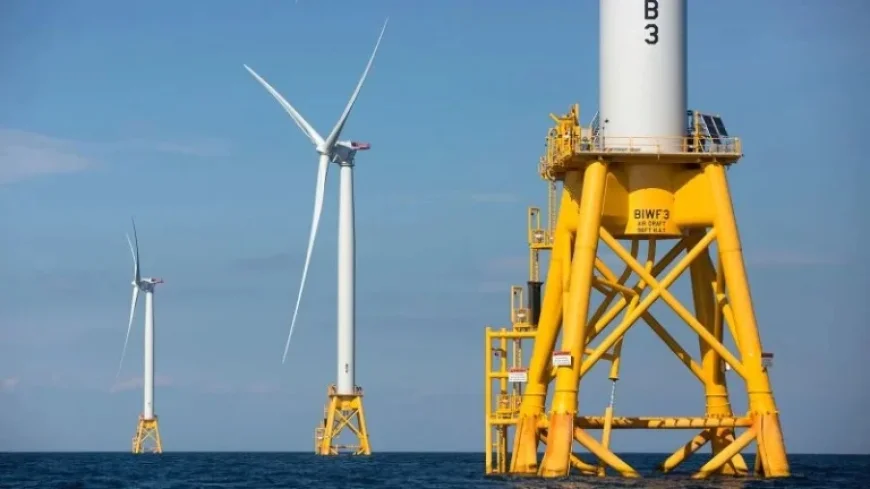
The offshore wind industry is experiencing a resurgence, particularly in the East Coast region of the United States. Significant developments have emerged in Massachusetts, Connecticut, and Virginia, where various wind energy projects are advancing despite political and regulatory challenges.
Recent Developments in Offshore Wind Projects
A major project in Massachusetts has successfully been supplying power to the electrical grid for several months. Additionally, the Revolution Wind project off the coasts of Connecticut and Rhode Island received judicial approval to continue construction. This decision comes after an earlier suspension of offshore wind projects by the Trump administration in December.
Court Ruling and Its Impact
The federal court ruling allowing Revolution Wind to resume work marked a pivotal moment for offshore energy, particularly for the power-hungry region of New England. The regional grid operator, ISO-New England, indicates a pressing need for the power these wind projects promise to deliver.
Political Opposition and Challenges
Despite the positive developments, President Donald Trump has voiced strong opposition to offshore wind initiatives. He described these energy sources as “losers” and has stated a firm intention to halt wind farm development.
- Revolution Wind: Currently 87% complete with a capacity of 704 megawatts, capable of powering around 350,000 homes.
- Vineyard Wind: This nearby project, also nearing completion, is expected to supply energy to 200,000 homes.
- Virginia Wind Project: Awaiting approval, this project has a capacity of 2.7 gigawatts and aims to support a vast number of data centers.
Energy Demand and Economic Considerations
The demand for energy in the mid-Atlantic and New England regions is escalating, largely due to the rise of data centers. Residential customers are experiencing increasing energy bills due to these demands. The PJM Interconnection, the grid operator for the Virginia project, has joined legal efforts advocating for the continuation of these important wind initiatives.
Benefits of Offshore Wind
Energy experts emphasize the significant benefits offshore wind can provide, particularly during winter. These projects are deemed crucial for maintaining system reliability when energy demands peak.
Cost Implications and Future Outlook
While initially costly to build, offshore wind farms like Vineyard Wind will ultimately lead to decreased electricity prices as they produce energy without fuel costs. A recent study suggests that the addition of 3.5 gigawatts of offshore wind could save New England residential customers between $15.83 and $32.13 over a typical winter.
However, uncertainty surrounds the potential savings from the Revolution and Vineyard wind farms, as they will not fully meet the projected needs. Absent these projects, Connecticut residents might face an estimated $200 million higher energy costs annually starting next year.
Conclusion
With parts already at the ready for deployment, the future of offshore wind on the East Coast hangs in a delicate balance between political opposition and the pressing demand for clean energy. The coming weeks may prove crucial for the advancement and impact of these projects on energy reliability and costs.
The