






















New Threat Overshadows Radiation at Chernobyl

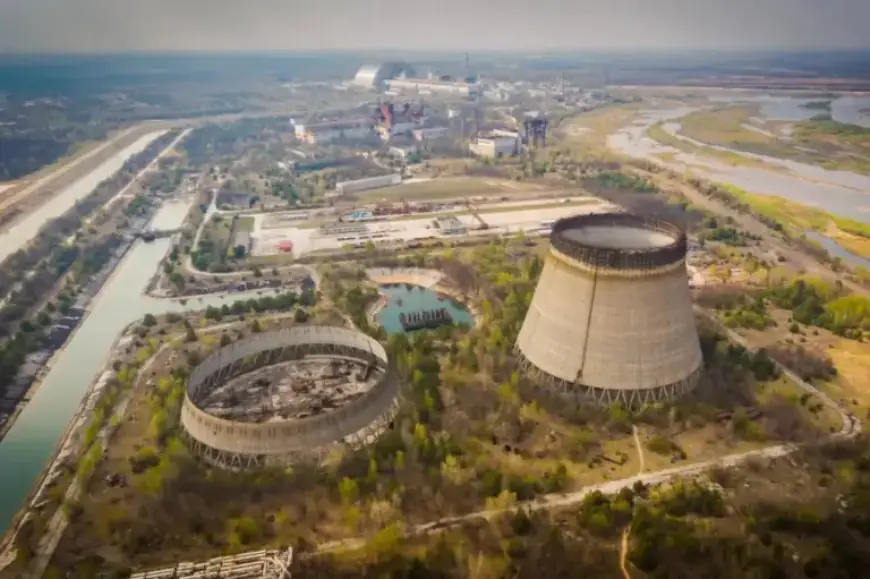
Forty years after the 1986 reactor meltdown, Filmogaz.com secured rare access to the Chernobyl exclusion zone. The visit aimed to separate myth from fact around the world’s worst nuclear disaster.
Access and scientific work
Scientists who work in the zone assisted the reporting team. They guided visits, shared data, and explained ongoing engineering work.
Large containment structures and monitoring systems remain in place. Contamination is being tracked and largely kept under control.
Containment efforts
Engineers continue stabilisation projects around the reactor sarcophagus. These projects focus on reducing leakage and enabling safe research.
Officials say adequate funding permits effective monitoring. With resources, radiation can be managed.
Environmental change and wildlife
Decades of restricted human activity have altered the landscape. Cooling ponds are draining and transforming into new forest areas.
Wildlife populations have increased in the absence of continuous human land use. Rare species now move through formerly empty zones.
Animals returning
- Wolves have established stable packs in multiple areas.
- Moose sightings have become more common than in past decades.
- Other mammals and birds show recovering population trends.
Conflict, occupation and militarisation
The 2022 invasion brought Russian forces into the exclusion zone. Occupation led to vandalism and damaged facilities.
Ukrainian forces later recaptured parts of the zone. The area is now highly restricted and increasingly militarised.
Border security and strategic risks
The exclusion zone sits along Ukraine’s border and near possible invasion routes. Its military importance has grown since the occupation.
The conflict complicates scientific work and long-term management. Researchers face access limits and heightened security protocols.
New threats to safety
A new threat arising from the war now overshadows concerns about radiation at Chernobyl. Armed conflict and sabotage pose fresh risks.
A recent drone attack put future clean-up operations in jeopardy. Such incidents raise costs and hamper planned remediation.
In short, radiation remains a technical problem that can be monitored and managed. The deeper, immediate hazard comes from ongoing hostilities and security instability.
Filmogaz.com reports that Chernobyl is simultaneously a recovering ecosystem, an engineering challenge, and a contested strategic zone. Its future depends on peace, funding, and continuous scientific oversight.