

























Republicans Launch Initiative to Fund Homeland Security Department

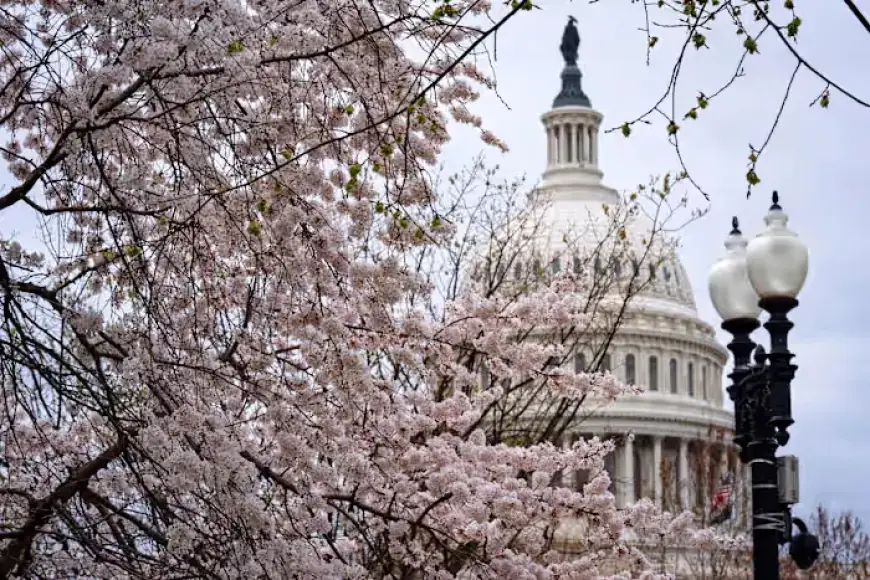
Senate Republicans moved this week to reopen the Department of Homeland Security. They aimed to end the longest partial government shutdown in U.S. history.
Reconciliation path and schedule
GOP leaders plan to use budget reconciliation to fund immigration enforcement. That process needs only a simple Senate majority and bypasses the 60-vote filibuster rule.
The Senate Budget Committee released an estimated $70 billion resolution. The funding would cover ICE and Border Patrol for three years, through the remainder of President Trump’s term.
Senate Majority Leader John Thune said he hopes for final passage this week. Early procedural votes could take place as soon as Tuesday.
Scope and add-ons under debate
Republicans seek to keep the measure narrowly focused on ICE and Border Patrol. Some senators want to add funding for farmers and voting provisions tied to the SAVE America Act.
Leaders have floated a second reconciliation bill to handle those extra priorities. Many in the conference expressed skepticism because of thin GOP margins and the looming election.
Floor amendments expected
Several senators said they will try to amend the resolution on the Senate floor. Sen. John Kennedy indicated he will push to add parts of the SAVE America Act and economic measures.
Democrats’ demands and accountability concerns
Democrats have withheld funding since mid-February. They demanded policy changes after two protesters were fatally shot by federal agents in Minneapolis in January.
Top Democrats called for restraints on immigration authorities. Proposals include clearer identification for federal officers and wider use of judicial warrants.
Sen. Patty Murray said Republicans rejected basic accountability measures before moving to increase ICE funding.
Recent votes and the two-track strategy
In March, the Senate passed by voice vote a bill that funded most of DHS while separating out ICE and Customs and Border Protection. That measure covered agencies such as the TSA amid growing airport security lines.
The House refused to pass the Senate bill without money for immigration enforcement. Congress then left for a two-week recess, leaving the funding gap unresolved.
During that break, Thune and House Speaker Mike Johnson outlined a two-track plan. The plan calls for regular-order funding for most DHS and a party-line bill for ICE and CBP.
Executive actions and timing risks
President Trump used executive orders to keep some DHS staff paid. Those temporary actions will expire soon unless Congress acts.
Republicans said quick action is necessary. Sen. Lindsey Graham urged full funding for Border Patrol and ICE during what he called heightened threats.
Outlook and political dynamics
The reconciliation route was used last year for major tax and spending cuts. It offers a faster path but carries political risks for both parties.
With stopgap financing nearly exhausted, leaders face pressure to reach a resolution by early May. Negotiations remain tense as lawmakers prepare for extensive floor votes.
Report prepared for Filmogaz.com.