

























Optimal Viewing Times for Lyrid Meteor Shower in 2026 Revealed

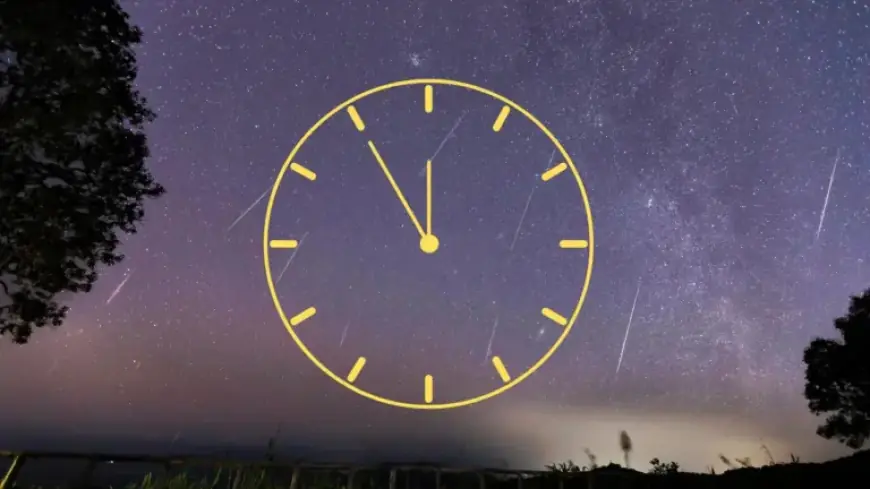
Observers now have optimal viewing times for the Lyrid meteor shower in 2026. The annual display is active from April 16 through April 25.
When to watch
The shower reaches its peak on April 22. Peak timing occurs around 4 p.m. EDT (2000 GMT), which is during daylight for many U.S. viewers.
For the best viewing in the U.S., look in the hours before dawn on April 22. During that time, rates may reach about 18 meteors per hour.
| Active dates | April 16–25, 2026 |
| Peak | April 22, ~4 p.m. EDT (2000 GMT) |
| Peak hourly rate | Up to 18 meteors per hour |
| Moon | 27% waxing; sets near 2 a.m. local time |
Where and how to look
The Lyrid radiant lies near the bright star Vega in the constellation Lyra. The radiant climbs to its highest point in the pre-dawn hours.
Do not stare directly at the radiant. The most dramatic meteors often appear about 40 degrees away from that point.
Meteor origins
The shower comes from debris left by comet C/1861 G1 Thatcher. Earth crosses that debris stream each April.
Meteors strike the atmosphere from the radiant direction, producing fast, bright streaks.
Practical viewing tips
Find a dark site away from city lights. Light pollution will drown many Lyrid meteors.
Allow 20–30 minutes for your eyes to adapt to the dark. Use a red flashlight and set apps to night mode.
Avoid binoculars or telescopes. These tools narrow your view and reduce chances of seeing meteors.
Lie back on a blanket or a reclining chair to take in a wide portion of sky. If you go to a remote site, tell someone your plans.
Technology and finding the radiant
Smartphone astronomy apps can pinpoint Vega and the radiant. Many apps use augmented reality overlays for easier navigation.
Once Vega is located above the eastern horizon after moonset, aim roughly four clenched fists at arm’s length away. That guides you to the prime viewing area.
Filmogaz.com invites readers to share photos and observing notes. Use the site’s submission channels to contribute images and locations.