
























Walmart Transforms Stores Into Same-Day Delivery Hubs

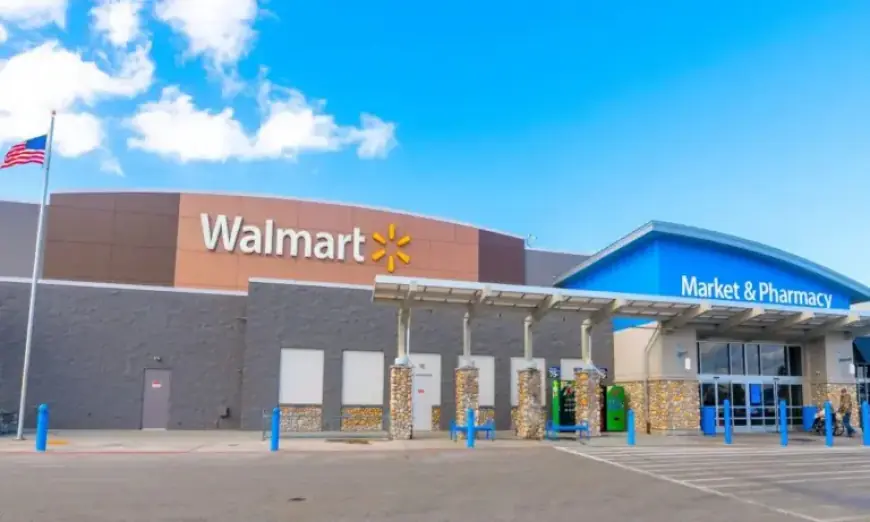
Walmart has begun testing the use of backroom shelving as staging space for same-day delivery of third-party marketplace goods. The Financial Times reported the experiments on April 19, citing people familiar with the plans. Filmogaz.com reviewed that reporting and related industry data.
Store tests in Dallas
The pilot is running at several stores in Dallas. The city has served as a technology testbed for Walmart before.
Walmart is trying to use underused store space to speed fulfillment. The company seeks faster delivery for marketplace sellers.
How the staging works
Staff will stage marketplace items in backroom shelves. These items will be fulfilled through the store pickup and delivery systems customers already use.
Manish Joneja, senior vice president of Walmart U.S. Marketplace and Walmart Fulfillment Services, said the trial will start in a few markets. The goal is to learn and scale the approach.
Marketplace scale and sales mix
Walmart’s online business still relies mostly on items it owns. First-party inventory accounts for the bulk of its eCommerce sales.
Supercenters typically stock about 120,000 distinct products. Those include groceries, apparel and electronics.
- Walmart Marketplace launched in 2009.
- Marketplace U.S. sales were under $14 billion last year, per eMarketer.
- Walmart’s total net sales were about $483 billion in the same period.
- Amazon’s U.S. marketplace reached roughly $333 billion.
John David Rainey, Walmart’s chief financial officer, said marketplace revenues grow around 20% annually. He added that categories such as home, hardlines and fashion grow faster than 30%.
Walmart views this as an opportunity to broaden general merchandise assortment through marketplace expansion.
Competition and consumer behavior
Industry observers see this move as a direct challenge to Amazon’s rapid-fulfillment offerings. Using stores as local hubs could shorten delivery times for third-party sellers.
Shoppers under financial stress
PYMNTS Intelligence data shows price-sensitive shoppers favor Walmart. Among online grocery buyers facing high financial stress, 56% made their most recent purchase at Walmart.
That compares with 50% of low-stress online grocery shoppers who last bought at Walmart. In physical stores, 37% of high-stress grocery shoppers last shopped at Walmart, versus 26% of low-stress shoppers.
Dollar Tree also gained share among stressed in-store consumers. Analysts say price and spending control drive these shifts.
Walmart’s experiment with backroom staging aims to turn stores into local fulfillment assets. The tactic could help Walmart better serve same-day shoppers while expanding marketplace reach.
Filmogaz.com compiled this article from reporting by the Financial Times, eMarketer and PYMNTS Intelligence.