

























Merck’s Wonder Drug: Blockbuster Success Leaves Cancer Patients Priced Out Globally

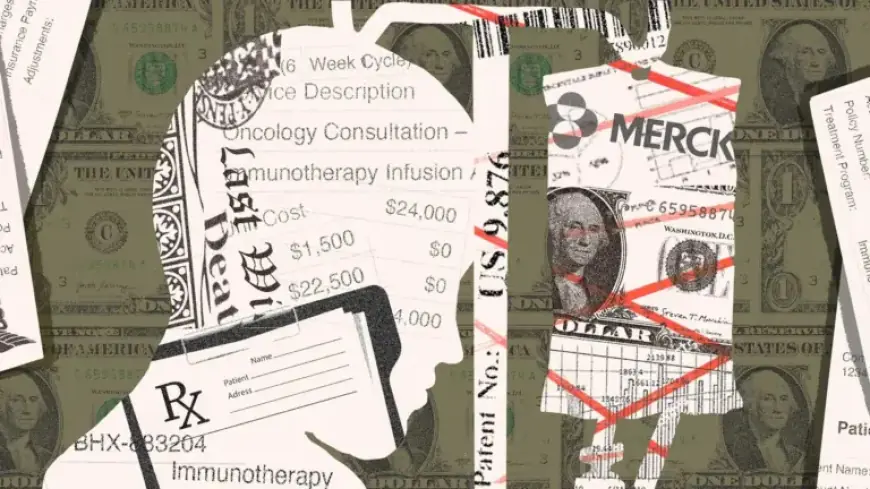
As cancer rates rise globally, a breakthrough medicine, pembrolizumab, branded as Keytruda, faces scrutiny over its pricing. Produced by Merck & Co., Keytruda has transformed cancer treatment, becoming a key player in the market since its 2014 approval. However, its significant costs have left many patients without access to this life-saving drug.
Merck’s Blockbuster: The Cost of Keytruda
Keytruda generated approximately $31.7 billion in sales in 2025, accounting for nearly half of Merck’s total revenue. Yet, worldwide list prices can range dramatically, making access to the drug a serious challenge. For instance, a year’s treatment can cost:
- Germany: $80,000
- United States: $208,000
- Lebanon: $93,000
- Colombia: $130,000
- South Africa: $65,000
- Croatia: $116,000
A Global Issue
Cancer remains a major global health crisis, causing nearly one in six deaths worldwide. The World Health Organization forecasts that cancer cases will surge by 75 percent by 2050, stressing the need for affordable treatment options like Keytruda. Despite its efficacy, many patients in lower-income countries find the drug unaffordable, with desperate individuals even resorting to the black market for a chance at treatment.
Countries like India and Brazil are particularly affected. In India, many cancer patients cannot afford Keytruda, relying on the healthcare system’s limited provisions or Merck’s patient assistance program. In Brazil, thousands seek legal avenues to access the drug due to its high price.
Corporate Practices Under Fire
Investigations reveal that Merck has employed various strategies to protect its profits. This includes a large number of patent applications worldwide, which serve to delay generic versions of Keytruda from entering the market. By creating a “patent fortress,” Merck maintains high prices for an extended period, limiting competition and accessibility.
Research and Dosing Controversies
Critics argue that Merck has pushed higher dosages of Keytruda than necessary. A report suggests that this could lead to an estimated $5 billion in excess costs for some patients by 2040. Additionally, similar studies propose that individualized dosing based on patient weight could significantly reduce overall treatment costs.
Financial Disparities in Treatment Access
The financial disparities in accessing Keytruda pose serious ethical questions. Patients in high-income countries often face fewer barriers to treatment, while those in low-income nations struggle with the prohibitive costs. In Guatemala, for instance, the average monthly income is insufficient to afford multiple doses of the drug, forcing healthcare providers to select patients for treatment arbitrarily.
Current Trends and Future Implications
Merck’s pricing strategies have resulted in substantial profits, with an estimated $163 billion in Keytruda sales since its launch. However, this has drawn criticism from consumer advocates and raised questions about patient welfare in the pharmaceutical industry. Calls for more affordable healthcare solutions are growing louder, as stakeholders demand change in how lifesaving medications are priced and distributed.
As the issue of drug pricing continues to escalate, the disparity between profit motives and patient needs remains a contentious topic in global health discussions. The fate of countless cancer patients may depend on how this balance is ultimately struck.