






















“Discover 7 Common Devices Quietly Powered by Linux”


Linux is a powerful operating system that has become a foundational technology in numerous devices we use daily. Since its introduction by Linus Torvalds in 1991, it has evolved into a versatile platform, yet its presence on desktop computers remains limited. Instead, Linux is the silent powerhouse behind many of our everyday technologies.
Discover 7 Common Devices Quietly Powered by Linux
1. Smart TVs
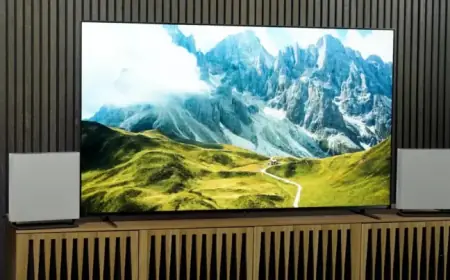
Many Smart TVs operate on Linux-based platforms. For instance, Samsung TVs utilize Tizen, while LG TVs use webOS. Additionally, devices like Android TV and Google TV also rely on the Linux kernel.
2. Wi-Fi Routers
Wi-Fi routers function as specialized computers with operating systems, and a significant number incorporate the Linux kernel. This lightweight OS allows routers to efficiently manage traffic. Notably, custom firmware options like OpenWRT and DD-WRT enhance router capabilities, both of which are Linux-based.
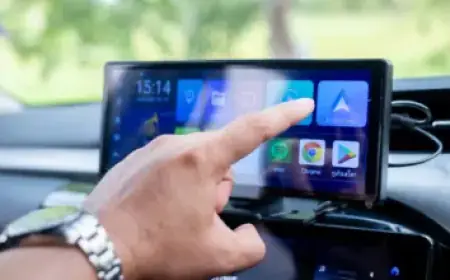
3. Car Infotainment Systems
Linux powers the infotainment systems of many vehicles. Automotive Grade Linux is widely adopted by major automobile manufacturers such as Honda, Mazda, and Toyota. This ensures that most cars on the road seamlessly integrate Linux technology.
4. Streaming Devices
Devices like the Amazon Fire TV Stick and Google Chromecast rely on Linux. These streaming boxes can be viewed as the internal components of a Smart TV without the display. The flexibility of Linux supports their lightweight design, optimizing performance for streaming.
5. Android Smartphones
The Android operating system is fundamentally built on Linux. While Android is a dominant player in the mobile market today, its roots in Linux illustrate its UNIX-like ancestry. Each Android device owes part of its functionality to the Linux kernel.
6. Smart Refrigerators
Smart home appliances, including refrigerators, often run on Linux. For example, Samsung’s smart fridges predominantly utilize Tizen OS, a Linux-based platform. This trend extends to many smart appliances such as microwaves and robot vacuums.
7. Emulation Gaming Handhelds
Many popular gaming handhelds, such as the Steam Deck, operate on Linux distributions designed for gaming. Furthermore, numerous emulation devices run on Linux, showcasing its robust support for gaming software. This allows users to enjoy classic games across various platforms.
In summary, Linux’s adaptability and open-source nature make it a preferred choice for a wide range of devices. From smart TVs to gaming handhelds, the impact of Linux is broad and often unnoticed, contributing significantly to modern technology.