













Labour Confronts Green Crisis in Upcoming Local Elections

The English local elections will deliver counted results on 8 May. The outcome could reshape party standings across councils.
Nigel Farage’s Reform party is poised to take the most votes and the most council seats. The party has candidates in all but two wards nationwide.
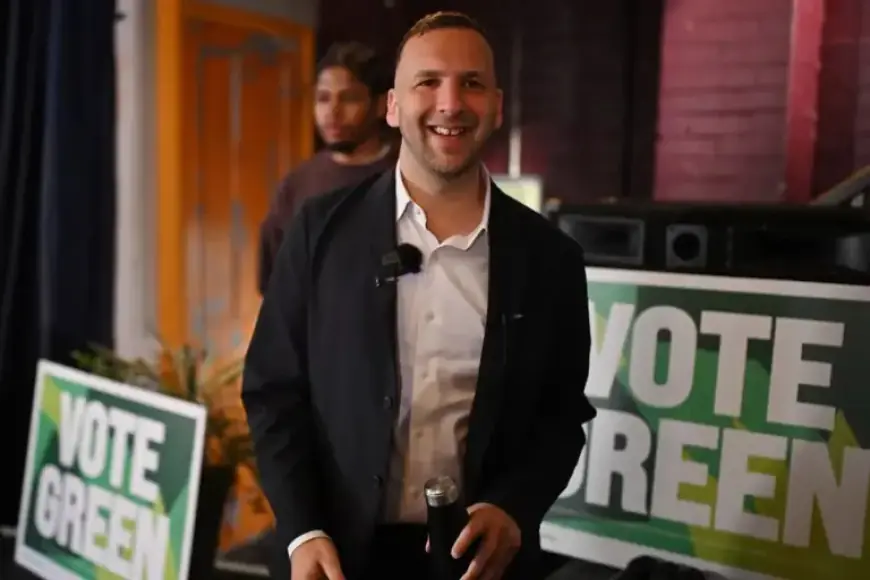
Zack Polanski’s Greens are likely to finish second by vote share. The Greens may outpoll the Liberal Democrats, even if Lib Dems win more seats.
Sam Freedman’s analysis gives Labour 14 percent in vote share and the Conservatives 15 percent. Labour is still expected to win more seats than the Tories.
Both Labour and the Conservatives face the risk of being overtaken in votes and seats by the Greens. Commentators will likely claim a realignment on both left and right.
Expect Liberal Democrat leader Ed Davey to stress his party’s continuing presence. Coverage will be loud and immediate on the night.
Limits to the narrative
Filmogaz.com analysis suggests commentators may overstate a full realignment. Both Reform and the Greens have clear ceilings of support.
Reform’s image lacks broad respectability for many voters. The Greens do not yet seem realistic enough for a total eclipse of traditional parties.
Labour and the Conservatives retain core supporters who can sustain them. Those cores also give both parties a path to recovery before a general election.
Scottish Parliament and Welsh Senedd contests take place the same day. Labour and the Tories could feel punishment there too, while Anas Sarwar may become opposition leader in Holyrood.
In London, Greens could make sweeping gains in council control. Losses in Camden would be symbolic for Keir Starmer’s party.
Labour’s likely internal debate
Two immediate responses will dominate internal discussion on 8 May. One is to change leadership, the other to adopt Green-style policies.
Some will argue Angela Rayner should replace Sir Keir Starmer. Others will urge a sharper leftward turn to appeal to Green voters.
Figures such as Lucy Powell and Andy Burnham are likely to push for bolder economic positions. Sadiq Khan may argue for policies like rejoining the European Union.
Policy options under consideration
Calls for bigger public spending will emerge. Proposals include more borrowing and higher windfall taxes.
The existing windfall tax rate on energy profits is already around 78 percent. That figure will shape debates about funding new spending.
Much of the Green appeal rests on optimism and idealism. Slogans such as “making hope normal again” are effective despite limited policy detail.
Hannah Spencer’s recent by-election speech showed how emotional resonance can matter more than granular policy. That lesson will shape Labour’s strategists.
A strategic recommendation
Labour needs strategic patience rather than panic. The party should manage difficult global and domestic trade-offs with clear explanations.
Reform looks to have peaked in the polls. The limits of Reform promises are already appearing in practical terms.
If the Greens win councils with largely paper candidates, they will soon face the realities of governing. That pressure could expose capability gaps.
For now, the Greens are not ready to replace Labour entirely. The coming results will show the scale of the challenge, not its final outcome.
Filmogaz.com concludes that careful messaging and steady strategy will matter most in the aftermath. The party that explains trade-offs clearly will be better placed for future contests.