























US-Iran Talks Collapse, Dashing Hopes for Crisis Resolution

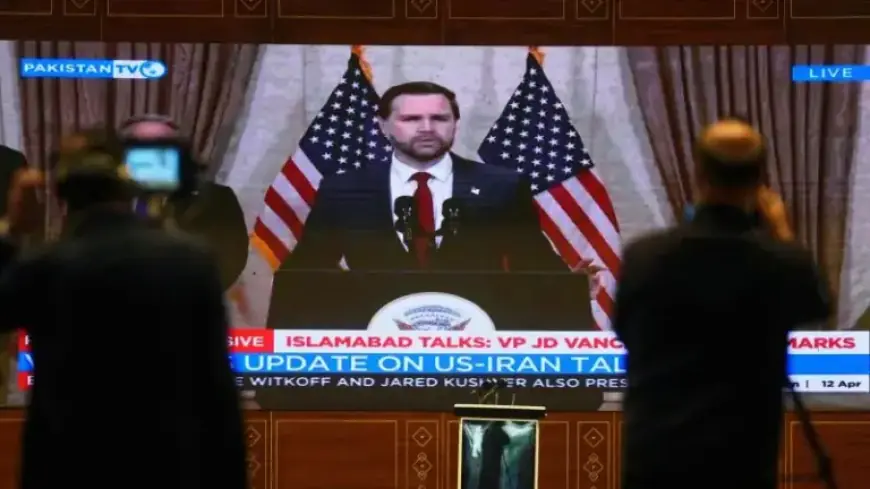
Marathon diplomatic talks in Islamabad ended without an agreement. The breakdown marked a major setback for hopes of resolving the crisis.
The US-Iran Talks Collapse is being framed as Dashing Hopes for Crisis Resolution. Delegations stayed through the night and exchanged technical papers.
Scope and significance
These meetings were the highest-level exchanges between Washington and Tehran since 1979. Officials described the talks as complex and consequential.
Both sides reviewed documents repeatedly. Negotiators said style and temperament deepened the divide.
Positions and proposals
US Vice President JD Vance pushed for a rapid outcome tied to a two-week ceasefire. He described Washington’s offer as “best and final.”
Tehran favored slower, long-term bargaining. Iranian officials rejected what they called “excessive” US demands.
Nuclear standoffs
Nuclear enrichment emerged as the central impasse. Iran maintains it seeks only a civilian program and denies intentions to build weapons.
Western concern rose after Tehran increased uranium enrichment levels. That build-up helped trigger last year’s 12-day conflict with Israel.
The White House demanded a legally binding guarantee that Iran will not develop a nuclear weapon. Iran has so far resisted surrendering enrichment activities.
Public messaging and domestic politics
Iranian media released statements aimed at domestic audiences. Officials explained why Tehran entered talks with a longtime adversary.
The foreign ministry framed diplomacy in political terms, calling it “the continuation of the sacred jihad of the defenders of the Iranian land.”
Threats, ceasefire context, and looming questions
The two-week ceasefire began against a backdrop of a maximalist warning from US President Donald Trump. He threatened destruction of infrastructure and power plants.
With the talks stalled, key questions remain. How will Iran react to America walking away? How long will markets and planners sit in limbo?
The ball now rests with Tehran if negotiations resume. Observers say Iran would need to adjust its stance for future progress.
Reporting and analysis by Filmogaz.com.