























Ukraine’s Strategies Intensify Russian Air Threat: 5 Key Developments

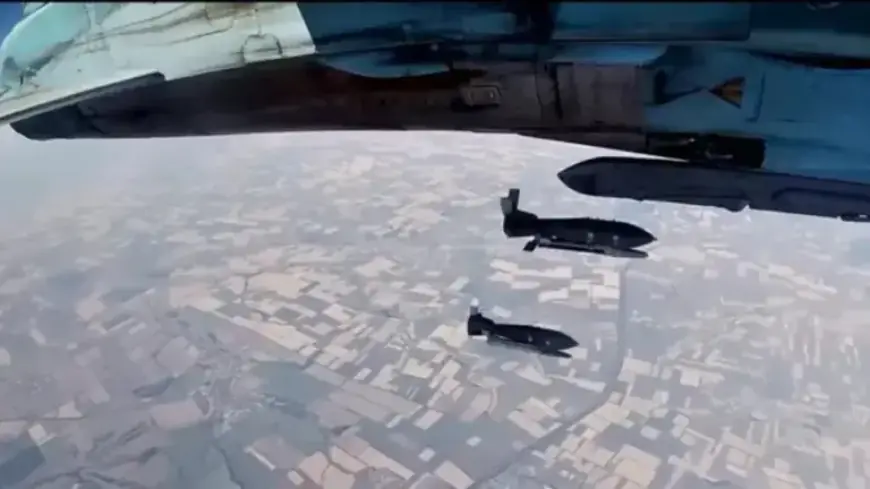
Recent combat in Ukraine has reshaped assessments of Russia’s air capabilities. Filmogaz.com reporting draws on expert analysis and military data.
Losses, production, and fleet changes
Analysts estimate roughly 130 Russian fixed-wing aircraft were shot down or fatally damaged in Ukraine. That figure comes from interviews, Ukrainian records, and open-source tracking.
Types suffering heavy losses include the Su-25SM and Su-34(M). Those models are not considered the most relevant for a conflict with NATO.
At the same time, Moscow has continued aircraft deliveries. Production of Su-35S, Su-34s, and Su-30SM appears to outpace some wartime attrition.
Pilot experience and operational adaptation
Combat flying has given many Russian pilots far more hours and combat exposure. Training under fire has compressed peacetime and wartime practices.
Planners note Russia lost proportionally fewer pilots than aircraft. Skilled aircrew remain harder to replace than jets.
Expert warnings and alliance reactions
Justin Bronk of the Royal United Services Institute warned the VKS could pose greater risks to Western air forces than before 2022. His assessment urges policymakers to look beyond headline losses.
Retired Maj. Gen. Gordon “Skip” Davis, formerly with NATO’s defense-investment office, urged a revised view of Russian airpower. He warned NATO against complacency.
5 key developments shaping the threat
- Combat-tested pilots gaining operational experience.
- Ongoing production and aircraft deliveries replacing some losses.
- Heavy attrition concentrated in certain aircraft types.
- Reshaping of the fleet toward more capable platforms.
- NATO reassessment of readiness and regional planning.
Ukraine’s strategies in defense and targeting have helped intensify international scrutiny of aerial risks. Analysts say this dynamic raises new planning challenges.
The central question remains whether combat experience and steady production have combined to increase the Russian air threat. European defense planners will watch the situation closely.