

























UK Government Streamlines EV Charging Regulations

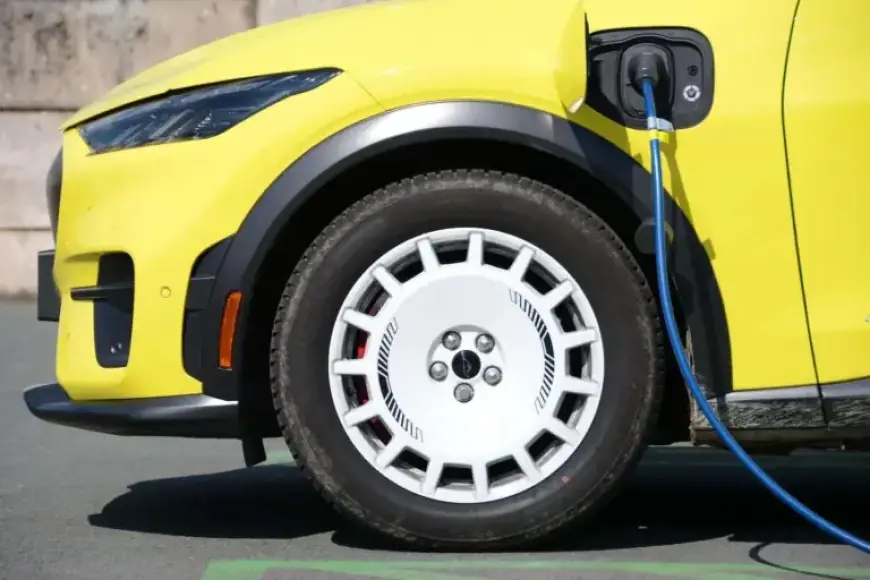
The UK Government is taking significant steps to streamline electric vehicle (EV) charging regulations. This initiative aims to reduce installation costs and accelerate the deployment of charging infrastructure across the country.
New Regulations for EV Charging Installations
Under the Planning and Infrastructure Act 2025, amendments have been made to the Traffic Management Permit Scheme (England) Regulations 2007. These changes eliminate the need for operators to apply for section 50 licences when installing chargers.
Instead, charge point operators will now utilize street works permits. This transition is expected to significantly lower installation costs, dropping from as high as £1,000 to as low as £45.
Implementation of Street Works Permits
The new system allows operators to apply for permits through the Street Manager platform. This digital service is used by all highway authorities and utility companies in England. This improvement is anticipated to reduce the wait time for permits from several months to just days.
- Legislation: Planning and Infrastructure Act 2025
- Cost Reduction: Installation fees decrease from £1,000 to £45
- Wait Time Reduction: Permits issued in days instead of months
Government Support for EV Charging Expansion
Heidi Alexander, Secretary of State for Transport, emphasized the government’s commitment to support businesses in the EV sector. She stated, “These changes slash the cost of permits for businesses, lowering installation fees for public chargers and cutting wait times.”
The UK Government plans to invest over £600 million to expand EV charging infrastructure further. This funding will add to the existing 118,000 charge points already available, facilitating the transition to electric vehicles.
Industry Perspectives on the Changes
Jarrod Birch, head of policy and public affairs for ChargeUK, welcomed the regulatory changes. He noted that streamlining the permit process is a positive advancement, aligning with their calls for reduced red tape.
However, Birch highlighted that there is still more work required from the government. Key focus areas include addressing the full cost burden on charge point operators, particularly energy and standing charges. Other priorities include:
- Equalizing VAT with home charging
- Ensuring stable policy through a robust Zero Emission Vehicle (ZEV) mandate
By tackling these challenges, the government can further stimulate investment in EV infrastructure, expediting the deployment of anticipated local charge points.