






















Gmail Introduces End-to-End Email Encryption for Android and iPhone Users

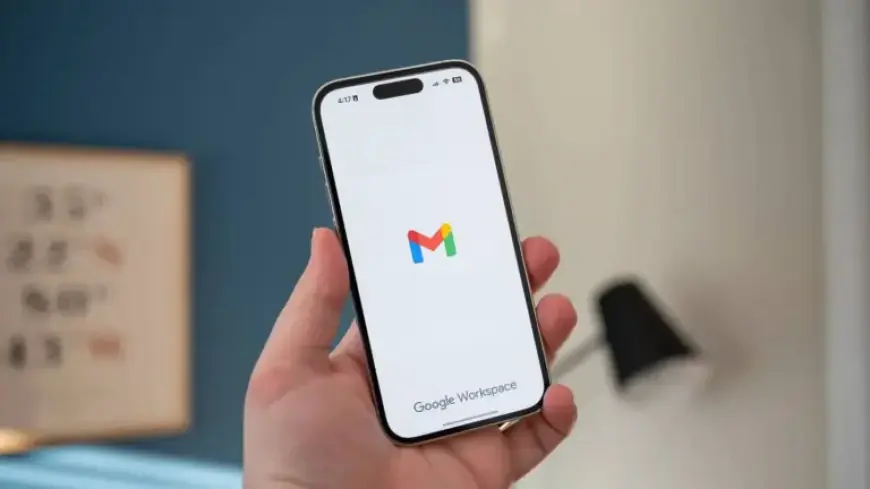
Gmail has made significant strides in enhancing email security for mobile users. Recently, Google introduced end-to-end encryption (E2EE) for Gmail on both Android and iPhone devices. This feature, which has been available on desktop for Workspace users since late 2022, streamlines secure communications on mobile platforms.
End-to-End Email Encryption Rollout
The new encryption feature is accessible through the official Gmail app. It allows users who have the app to send encrypted emails easily. To initiate encryption, senders simply need to tap the lock icon and select “additional encryption.” Encrypted emails will appear like regular email threads, simplifying the user experience.
How It Works
If the recipient does not use the Gmail app, they will receive a secure link to view the message on a web page. Currently, E2EE access is primarily available to organizations that subscribe to Google Workspace, particularly those with an Enterprise Plus plan that includes either the Assured Controls or Assured Controls Plus add-on. For users to activate this feature on Android and iOS, their administrators must enable client-side encryption.
Importance of End-to-End Encryption
End-to-end encryption is crucial for maintaining the confidentiality of sensitive information. With E2EE, messages and attachments sent via Gmail are secured against unauthorized access, significantly reducing the risk of interception by criminals or governmental surveillance agencies.
Legal Implications
The need for secure communication is not only a matter of good practice but also a legal requirement. Regulations like the European Union’s General Data Protection Regulation (GDPR) mandate strict controls on the handling of personal data. Non-compliance can lead to serious legal repercussions for organizations.
- End-to-end encryption enhances user security and privacy.
- It streamlines the process for IT administrators.
- Users do not need to manage security certificates directly.
Moreover, legislation in several regions, including the EU, includes data sovereignty laws that require certain data to remain within national borders. Implementing end-to-end encryption helps ensure compliance with such regulations by minimizing the likelihood that information sent via Gmail will be transmitted internationally without authorization.
The introduction of E2EE for Gmail on mobile devices marks a noteworthy advancement in email privacy. As organizations increasingly prioritize cybersecurity, this feature positions Gmail users to better protect their communications.