






















Congressional Republicans Prepare for Battle Over Iran War Costs

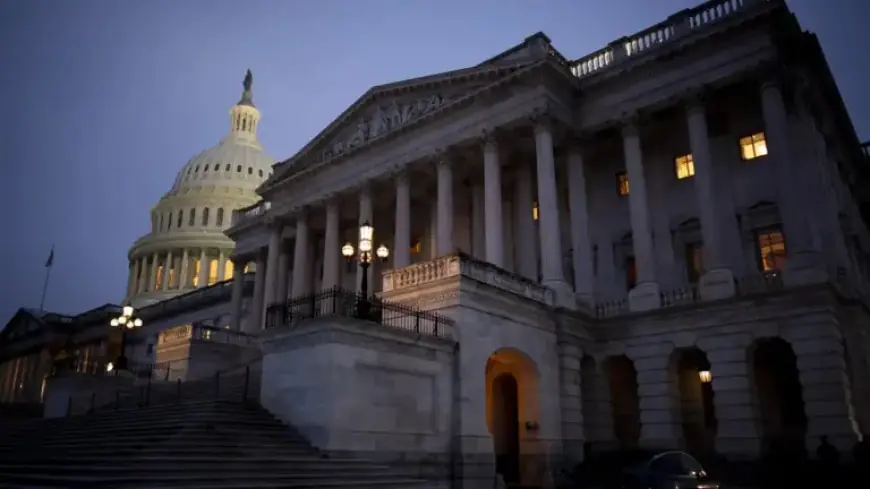
The ongoing U.S.-Iran war is escalating in both complexity and financial burden. As Congress prepares to reconvene after recess, Congressional Republicans face formidable challenges in funding this conflict. The costs of the war have now reached an estimated $30 billion, according to the Center for Strategic and International Studies. This rising price tag fuels a contentious debate within the Republican party and with Democrats.
Political Divisions and Funding Challenges
Political infighting will intensify as the GOP strives to balance war funding demands and internal dissent. Many Republican lawmakers have recently raised concerns regarding the duration and management of the military campaign in Iran.
- Senator Susan Collins of Maine denounced President Trump’s comments about the war and insists on the need for congressional approval for any troop deployments.
- Senator John Curtis of Utah echoed Collins’ sentiments, emphasizing the constitutional necessity for congressional oversight beyond 60 days of military action.
- Moderate Republicans like Senators Thom Tillis, Todd Young, and Representatives Don Bacon and Mike Lawler also express unease about the war’s direction.
Calls for Transparency
Concerns regarding transparency and information flow from the administration have also emerged. Senator Lisa Murkowski from Alaska stated that Congress requires better briefings and transparency from the administration to evaluate the situation effectively.
Funding Mechanisms Under Consideration
As discussions regarding additional funding progress, the GOP is weighing various strategies, including:
- A supplemental funding proposal to cover the war’s escalating costs.
- Utilizing the reconciliation process to bypass potential Democratic opposition.
The Biden administration has requested approximately $1.5 trillion for defense for the 2027 fiscal year. It remains uncertain how much of this figure will be directly linked to the Iran conflict.
Financial Implications for Households
The implications of the war extend beyond direct government expenditures. American households are projected to incur indirect costs as a result of inflated fuel prices, which could reach approximately $12.1 billion collectively. This translates to about $92 per household due to heightened gasoline prices.
Democrats’ Position on War Funding
Democrats are actively working to undermine Republican efforts to fund the war. Senate Minority Leader Chuck Schumer emphasizes that no president should unilaterally take the nation to war, reinforcing the importance of the War Powers Act. Additionally, House Minority Leader Hakeem Jeffries has linked the war’s financial impact to rising living costs, asserting that taxpayer dollars should not be wasted on foreign conflicts.
Economic Consequences of War
The economic implications of the U.S.-Iran conflict are expected to ripple through various sectors:
- Increased jet fuel prices are anticipated to escalate airfares for travelers.
- Farmers may face rising fertilizer costs, ultimately affecting food prices for consumers.
Despite internal divisions within the Democratic party, many members are prioritizing measures to halt funding for military actions without legislative oversight. As Congress reconvenes, both parties must navigate these challenges to address the increasingly critical debate over the funding of the Iran war.