





















Trump’s US Approval Hits Record Low Amid Iran Conflict

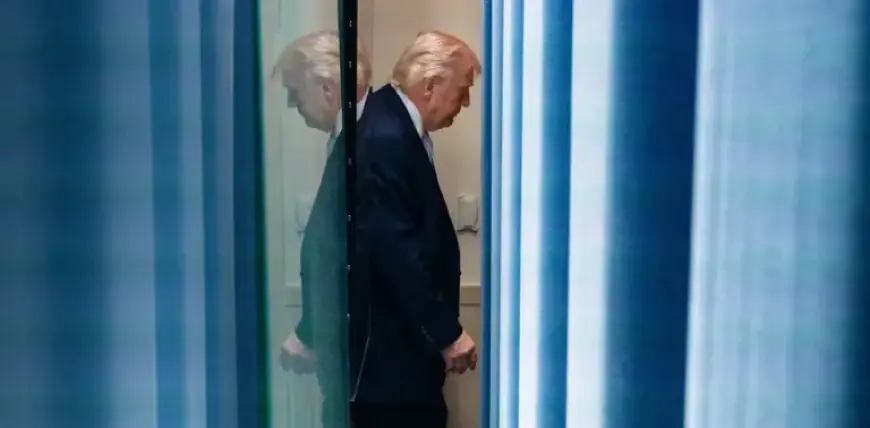
Recent polling has unveiled a stark decline in U.S. President Donald Trump’s approval ratings, largely influenced by the ongoing conflict in Iran. The net approval rating for Trump has plummeted to -16.9, marking a record low for his presidency. This figure represents a 4.1-point drop from March 5, with 56.5% of Americans disapproving of his performance and only 39.5% expressing approval.
Impact of the Iran Conflict on Approval Ratings
Trump’s decreasing approval ratings have outstripped his previous lows, which were -15.0 in late 2025. Historically, no other president since Harry Truman has recorded such low approval ratings at this juncture in their term. Currently, Trump’s approval ratings on key issues include:
- Immigration: -10.7
- Economy: -21.8
- Trade: -24.2
- Inflation: -33.6
The fallout from the Iran conflict has notably affected perceptions on the economy, trade, and inflation. In contrast, immigration ratings have remained relatively stable.
Public Support for the Iran War
As of early April, net support for the Iran war shows 53.8% of Americans opposing the initiative, with only 38.7% in favor. This opposition, mirrored by an aggregate net support change, indicates a decline to -15.1, down from -18.1 a few days earlier.
Political Landscape Ahead of the Midterm Elections
The upcoming midterm elections in November are poised to be crucial. All seats in the House of Representatives and one-third of Senate seats are up for grabs. Current polling from Nate Silver indicates that Democrats hold a 5.5-point lead over Republicans in a generic ballot with 47.9% to 42.4%. Should this trend continue, Democratic prospects in the House appear favorable.
- Republicans: 220 seats
- Democrats: 215 seats
- Senate Seats Up: 35 (33 regular, 2 special elections)
Only two Republican seats—Maine and North Carolina—are considered vulnerable, emphasizing a tough battle ahead for Democrats aiming to regain the Senate. The challenges are compounded by the Senate’s structure, which favors smaller, rural states.
Current Economic Climate
Despite the rising discontent, the U.S. has witnessed a drop in the unemployment rate, which stood at 4.3% in March, slightly down from February’s 4.4%. However, the workforce participation rate has also dipped to 59.2%, emphasizing an ongoing concern as it reflects a shrinking pool of eligible Americans engaged in the labor force.
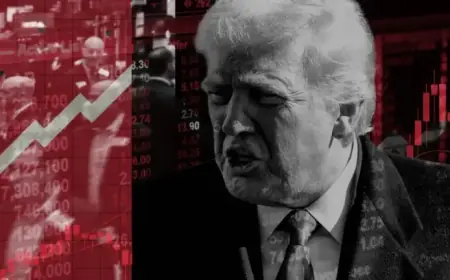
Amid these political and economic shifts, Trump’s administration derives some hope from a resurgence in the stock market, with the S&P 500 index rising 6.9% since March 30. Price stability, particularly in fuel costs, could also play a crucial role in shaping public sentiment going forward.
Conclusion
As the political landscape unfolds leading to the midterm elections, the ramifications of the Iran conflict remain substantial. The interplay between public approval, economic factors, and partisan shifts will undoubtedly shape the trajectory of the Trump presidency as well as future electoral outcomes.