

















Masters Chairman Firmly Addresses Pro Golf’s Distance Controversy

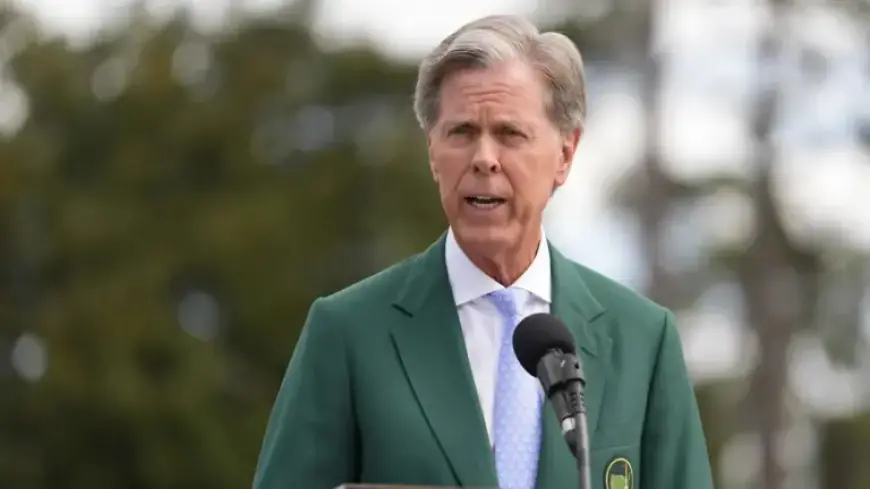
In a recent press conference, Masters chairman Fred Ridley strongly emphasized that “failure is not an option” regarding the proposed rollback of golf ball distance standards. Ridley reiterated the Masters’ alignment with the United States Golf Association (USGA) and the R&A, who have initiated discussions around a testing overhaul aimed at regulating the distance elite players can drive the ball.
Concerns Over Distance in Professional Golf
The proposed rollback has gained traction amid concerns from various stakeholders, including the PGA Tour and the PGA of America. These organizations have expressed skepticism, suggesting a delay in implementing the rollback until 2030. Originally, the USGA and R&A intended to enforce this change for elite players by 2028, with recreational players adopting the new rules by 2030.
Impact of the Rollback on Golf
- The Overall Distance Standard would reduce driving distance by 15 to 20 yards at swing speeds of 125 mph.
- Average players may not notice significant changes due to lower swing speeds.
- Ridley highlighted the broader implications, stating that increased course lengths lead to higher costs and environmental concerns.
Ridley’s stance centers on preserving the essence of golf, advocating for an imaginative and varied game. He recalled how the growing distance players can achieve has made the game more one-dimensional, diminishing its creative aspects.
Challenges Ahead
Golf manufacturers have voiced their opposition to the rollback, arguing that average players enjoy hitting the ball farther. Additionally, professional players, many of whom have endorsement deals, fear that such changes might hinder the sport’s growth.
The PGA Tour operates under a unique framework where they abide by rules set by the USGA and R&A. This results in potential conflicts if major tournaments adopt new standards while the PGA Tour resists.
PGA Tour’s Position
PGA Tour CEO Brian Rolapp acknowledged the complexity of the issue. He noted that opinions about the necessity and feasibility of the rollback vary widely among players, manufacturers, and golf fans. All stakeholders highlighted their perspectives on whether distance is indeed a problem.
Moving Forward Together
Ridley’s comments suggest a renewed urgency for consensus among golf governing bodies, manufacturers, and players. He emphasized the importance of collaboration to protect the integrity of the game. “Tough issues like this require compromise,” he remarked, stressing the need for collective efforts to safeguard what makes golf great.
As the debate continues, the golf community remains divided. Ridley’s recent statements illustrate a critical moment in professional golf, demanding dialogue on distance regulation and its implications for the future of the game.