




















Texas Bill Proposes Mandatory Bible Stories in Public School Curriculum

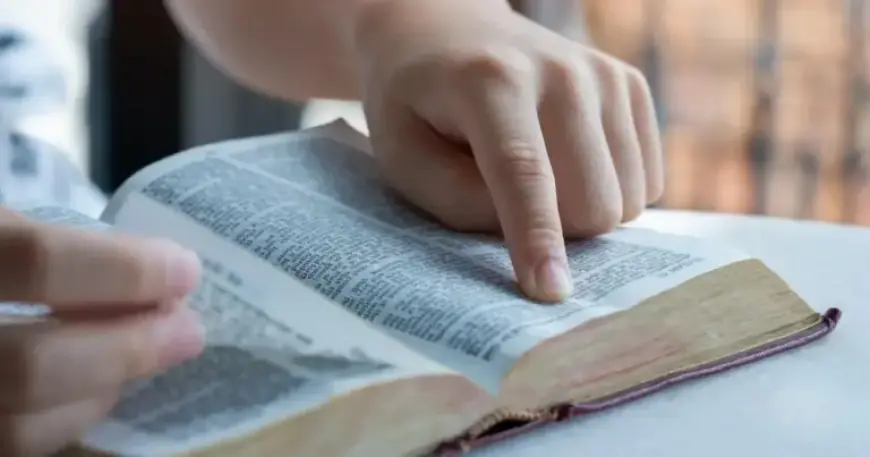
A recent proposal in Texas could make Biblical stories mandatory reading for public school students. This initiative has sparked intense discussions about the intersection of religion and education. Texas, often a leader in educational policy, finds itself at the forefront of this national debate, which is increasingly prevalent in Republican-led states.
Proposed Curriculum Changes in Texas
The proposal aims to include various Biblical texts in the reading curriculum for students ranging from kindergarten to 12th grade. Key texts would focus on foundational stories such as Jonah and the Whale, the Road to Damascus, and the Book of Job. This potential change comes after a state law passed in 2023, which called for a state-approved list of high-quality educational materials.
Concerns Raised by the Community
During a recent state board meeting, many stakeholders voiced strong opinions about the curriculum changes. Arguments against including Biblical stories in public education centered on the separation of church and state. Community members emphasized the potential issues of bias and the restrictions on teachers’ autonomy.
- Nathan Irving, a pastor and parent, argued for the inclusion, stating, “Our children need truth.” He believes Biblical narratives are essential to understanding American history.
- Conversely, Rabbi Josh Fixler highlighted the danger of proselytization, stating that teachers should not be required to impart specific religious beliefs.
- Others expressed concerns about the proposed list lacking diversity and being overly extensive for a single school year.
Implementation Timeline
A final vote on the proposed reading list is expected in June, with changes set to take effect in 2030 if approved. Advocacy for and against these changes continues to grow, reflecting a larger national trend of incorporating religious themes into educational settings.
Broader Educational Implications
The discussions surrounding this proposal are not just limited to the Bible. The Texas State Board of Education is also revising social studies standards. Critics argue these standards are too focused on Texas pride, neglecting broader historical contexts.
As this debate unfolds, it is crucial to consider how educational materials shape students’ understanding of history, morality, and civic responsibility. The controversy surrounding the Texas proposal exemplifies the complex role that educational policy plays in reflecting societal values.
Ultimately, the Texas community remains divided on the best path forward for education. As discussions continue, many are analyzing the implications of these potential curriculum changes on the future of public education in Texas and beyond.