

























Jet Fuel Price Crisis Threatens Reductions in Long-Haul Flights

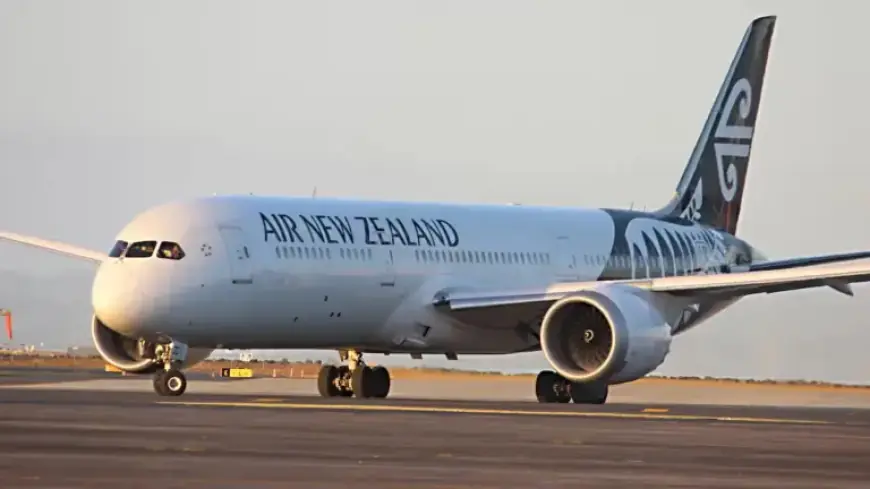
Air New Zealand has made a series of small schedule changes that have affected both domestic and some international services. The airline says most affected passengers will still travel the same day.
Schedule adjustments and customer advice
Air New Zealand told customers they will be advised before the end of the week. Refunds or credits will be offered when revised times do not suit travel plans.
The carrier described the changes as modest compared with some other airlines. It noted other operators servicing New Zealand have cut capacity by more than 10 percent.
Industry response and network strategy
Billie Moore, chief executive of the New Zealand Airports Association, said the moves reflect network optimisation. She believes the decisions are not simply about reducing exposure to fuel costs.
Moore said the country is not facing a jet fuel supply shortage. She described the problem as being driven primarily by higher prices.
Risk to heavy fuel routes
Moore warned the jet fuel price crisis could shift focus onto heavier fuel routes. That would include long-haul flights and services to the United States.
She welcomed efforts to protect smaller communities. But she cautioned that deeper cuts would hit airport revenues and maintenance budgets.
Local consequences for Nelson
Nelson Mayor Nick Smith warned of wide-ranging impacts from the cuts. He said his council owns 50 percent of Nelson Airport Ltd.
Smith said 140 flights between Nelson and the three main centres will be lost in May and June. He added that a further 60 flights were cut for the six weeks to May 3.
Scope and timeline of reductions
Air New Zealand previously announced 1,100 flights would operate with reduced frequency. That earlier action affected about 44,000 customers.
Some domestic services have already been cancelled this month, with further changes expected through June. The airline calls the changes relatively small overall.
Global context and fuel market pressure
Fuel prices rose sharply after a six-week blockade of the Strait of Hormuz. About one fifth of global oil consumption passes through that channel.
Comments from industry leaders came hours before a two-week ceasefire deal was reported. The agreement included reopening the Strait of Hormuz.
The situation has prompted concern that the jet fuel price crisis will lead to reductions in long-haul flights. Airports and communities are watching closely.
Reporting for Filmogaz.com: Cherie Howie is an Auckland-based reporter. She joined the Herald in 2011 and has more than 20 years in journalism.