


















Why Remaking Zelda: Ocarina of Time for Switch 2 Might Backfire

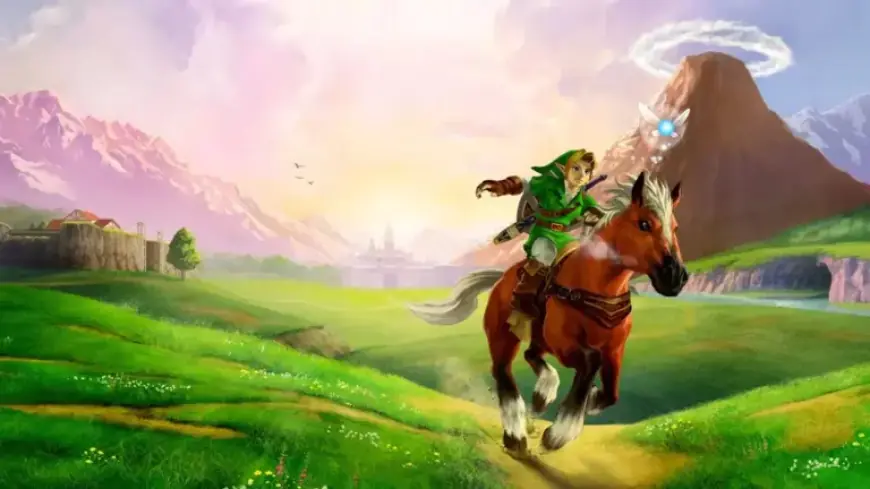
The possibility of remaking The Legend of Zelda: Ocarina of Time for the upcoming Switch 2 has sparked considerable discussion among gamers and industry insiders. Key figures, such as series producer Eiji Aonuma, have provided vague responses regarding this potential project, leading fans to speculate about the implications of such a remake.
Hints from Eiji Aonuma
Recently, during an interview with YouTuber Andres Restart, Aonuma sidestepped a question about the Ocarina of Time remake. This follows on from earlier hints in a Game Informer interview in 2023, which suggested that a remake of this iconic game might be on the horizon. The ongoing silence from Nintendo combined with these hints indicates a growing interest in the possibility of a remake.
The Historical Context of Ocarina of Time
Originally released in 1998, Ocarina of Time is praised for its role in defining 3D game design. The game displayed innovative features such as camera functionality and spatial storytelling. Due to its legacy, any remake would require careful consideration to avoid altering the core essence of the beloved title.
Challenges of Remaking a Classic
- Visual Style: The original game’s aesthetic was largely dictated by the limitations of the Nintendo 64. Its low-poly models and unique fog effects contributed to its artistic direction.
- Modernization vs. Nostalgia: A remake could risk losing the charm of the original. Introducing new graphics technologies, like ray tracing, might flatten its artistic uniqueness.
- Creative Directions: Nintendo might choose between various approaches to the remake—ranging from a straightforward graphical polish to a more expressive, modern art style similar to Breath of the Wild.
Possible Approaches to the Remake
If a remake does move forward, there are several artistic paths Nintendo might take:
- Straight Remake: Retaining the original’s structure while enhancing graphics, ensuring high sales but offering less creative innovation.
- Modern Artistic Vision: Adapting the game’s aesthetic to align more closely with contemporary design philosophies, although this may risk alienating die-hard fans.
- Balanced Interpretation: Seeking a middle ground where the original art style is preserved, but with a fresh, modern rendering approach. This could create a unique visual experience reminiscent of past classics like Demon’s Souls.
As anticipation builds, the gaming community waits for more definitive statements from Nintendo. The prospect of remaking The Legend of Zelda: Ocarina of Time for Switch 2 is filled with both potential and risk, as fans are eager yet cautious about how such an iconic title will be treated.