























Iran Conflict Threatens Social Security Stability

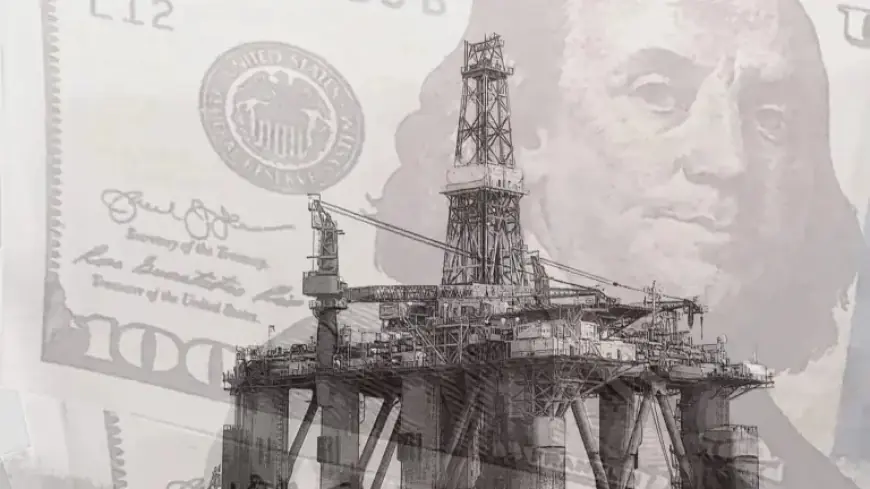
The ongoing conflict in Iran poses significant challenges not only for regional stability but also for the stability of America’s social security system. As tensions escalate, the implications of a weakening petrodollar become increasingly evident. This article examines the potential fallout from the Iran conflict on the broader economic landscape.
Understanding the Petrodollar System
The petrodollar system is critical to the U.S. economy. It relies on oil being traded exclusively in U.S. dollars, bolstering demand for the currency globally. Any threat to this system can have far-reaching implications.
The Risk of Losing the Petrodollar
Current geopolitical developments suggest that the supremacy of the petrodollar may be at risk. Should the petrodollar system falter, numerous economic sectors, including social security and defense spending, could suffer.
- If the sanctions against Iran collapse, it could undermine U.S. economic power.
- The potential for Iran to advance toward nuclear capabilities presents additional geopolitical challenges.
- A weakened petrodollar could lead to inflated costs for social programs like Social Security and Medicare.
- National defense budgets could also face significant reductions if the petrodollar’s status diminishes.
Historical Context
To grasp the potential impact of the Iran conflict, it’s essential to consider historical precedents. The transition from the gold standard to fiat currency illustrates how shifts in monetary policy can reshape economic stability.
Moreover, examining historical instances of currency crises reveals how quickly economies can destabilize when trust in financial systems erodes. Addressing this threat requires careful analysis and proactive measures.
Conclusion
As the situation in Iran evolves, the implications for the United States could be profound. The stability of the petrodollar is not just an economic concern; it has direct consequences for critical social programs. Understanding these complexities is crucial as policymakers navigate this precarious landscape.