
























Wisconsin Supreme Court Election: Live Voting Results

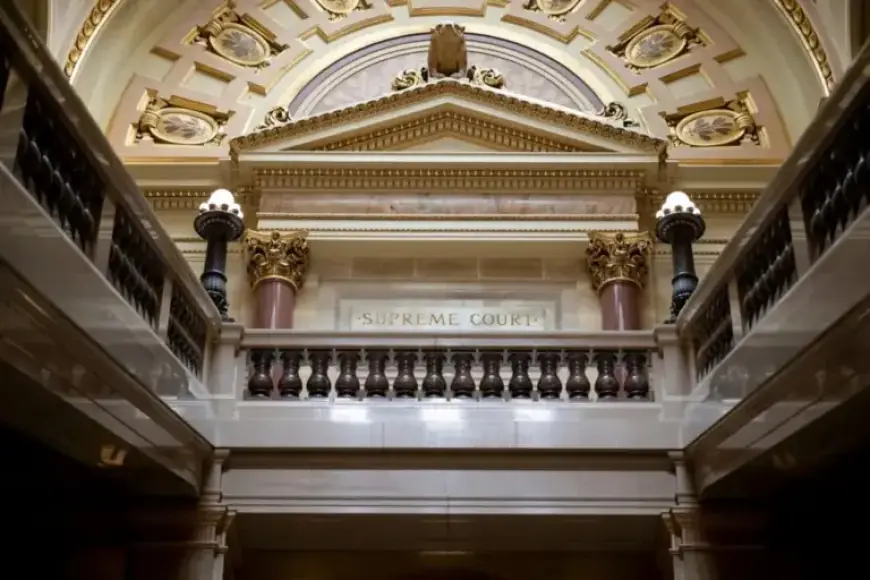
Wisconsin’s Supreme Court election has become a pivotal event for Democrats aiming to augment their liberal influence. Set against a backdrop of contentious issues such as abortion rights, redistricting, and union rights, the election is marked by decreased national attention compared to previous years.
Key Facts of the Wisconsin Supreme Court Election
This election is crucial as Democrats strive to solidify their majority in the state Supreme Court. They hope to reverse several Republican laws and maintain control of the governor’s office and the state Legislature by the upcoming November elections. Here are some key points:
- Date: Election held in April 2023
- Democratic Candidate: Chris Taylor, former state lawmaker and Planned Parenthood employee
- Republican Candidate: Maria Lazar, Appeals Court judge
- Current Court Composition: 4-3 liberal to conservative
- Potential Court Composition: If Taylor wins, 5-2 liberal majority
- Historical Context: Liberals regained control in 2023 after 15 years of conservative dominance
Campaign Focus and Key Issues
The campaign has heavily featured abortion rights as a central theme. Taylor’s advertisements emphasize that “abortion is on the ballot,” reflecting the heightened concern over reproductive rights following the U.S. Supreme Court’s decision to overturn Roe v. Wade. Conversely, Lazar aligns herself with anti-abortion stances, positioning Taylor as an advocate for a partisan agenda.
Candidate Backgrounds
Both candidates have legal backgrounds that inform their judicial philosophies:
- Chris Taylor: Has served as a judge since 2020 and previously represented Madison in the state Assembly for a decade.
- Maria Lazar: A judge since 2015, she has defended conservative legislation including a law restricting collective bargaining and voter ID requirements.
Election Dynamics
Unlike past elections that attracted significant campaign funding, this year’s contests show a notable decline in spending. Taylor had a considerable fundraising advantage, reportedly spending nine times more on advertisements than Lazar. This disparity reflects Taylor’s strategic focus on abortion rights and a more robust campaign outreach.
As the election plays out, its implications extend beyond the court. The outcome is likely to influence pivotal issues like redistricting and election laws heading into the 2024 presidential election.
Looking Ahead
This election’s results could lead to a liberal dominance in the Wisconsin Supreme Court until at least 2030. With another conservative justice retiring next year, Democrats believe they could potentially shift the court to a 6-1 advantage, altering the landscape of Wisconsin’s judicial system significantly.
As the controversy heats up, this Supreme Court election illustrates the ongoing battle between liberal ideals and conservative governance in Wisconsin, reflecting critical national conversations on democracy and rights.