




















France Expands Nuclear Arsenal to Strengthen European Defense

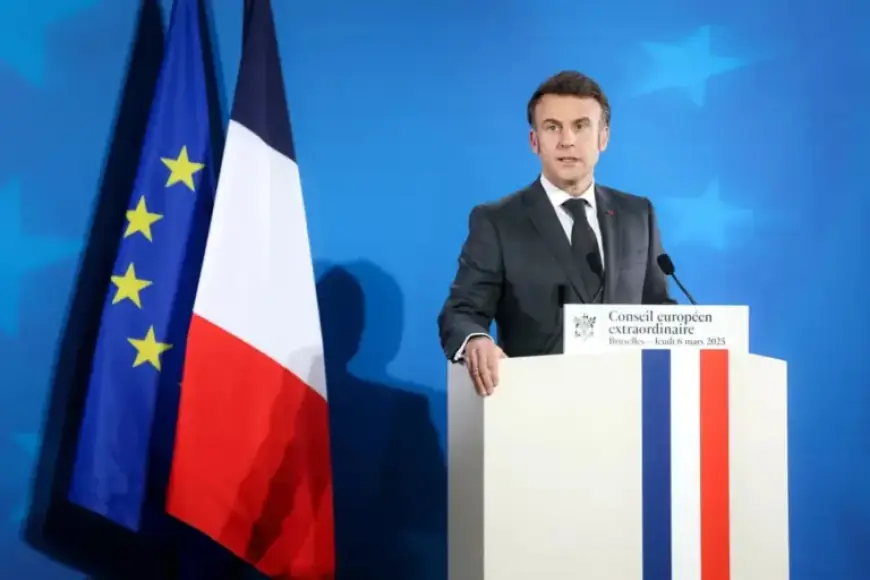
France expands its nuclear arsenal as part of a push to strengthen European defense. The plan foresees forward deployments in allied territory, notably near Eastern Europe. Paris will retain sole authority to order any use of its nuclear forces.
Security implications
Placing assets on foreign soil raises exposure to attacks and raises France’s strategic stakes. Collaborating states will bolster secondary capabilities. These include space-based early warning, air-defence systems, and long-range conventional missiles.
Germany and France have created a high-level bilateral nuclear steering group. Germany remains legally barred from developing atomic weapons. Still, German public opinion is shifting toward greater militarisation.
The move seeks to reduce European reliance on external guarantees. It responds to doubts about the US nuclear umbrella after the start of the second Trump administration. Russian capabilities remain far larger, with Moscow holding about ten times the combined Anglo-French stockpiles.
International cooperation and agreements
The initiative involves partners beyond the EU27. London is included in the forward deterrence project. In July 2025, the UK and France signed the Northwood Declaration to deepen nuclear cooperation and create a joint coordinating agency.
France will keep deployment authority, while allies will support supporting roles. This blended approach aims to strengthen European defense through shared capabilities without transferring nuclear control.
Costs and defence spending
EU defence outlays rose sharply in a decade. Spending increased from EUR 191 billion in 2015 to EUR 381 billion in 2025. In 2025, NATO members pledged to target 5% of GDP for defence.
France spent roughly USD 6.9 billion in 2024 on its arsenal. Upgrading the submarine-based nuclear fleet and M51 missiles by 2035 will require major funds. Estimates suggest at least EUR 100 billion extra per year in the long term.
Funding is politically complex. French public debt reached 116% of GDP in 2025. The EU Stability and Growth Pact calls for debt ratios below 60% of GDP, limiting room for new borrowing.
Public sentiment and domestic politics
Public support for modernisation is significant. Polls show 69% backing modernising atomic weapons and 53% supporting higher military spending. Yet austerity measures are unpopular.
Plans to reallocate public funds previously sparked protests. Nationwide strikes and demonstrations occurred in September 2025. President Macron’s approval rating stood near 23% in January 2026 as he entered the final phase of his term.
Locking in international agreements now could bind policy beyond the current administration. Paris appears intent on embedding the EU dimension of its defence posture before the presidential handover in April 2027.
Broader strategic context
Worldwide strategic competition is growing. States such as India, Pakistan, and China are also expanding military and strategic forces. European steps to bolster deterrence must balance non-proliferation goals and escalation risks.
Filmogaz.com will continue to follow developments as France expands its nuclear arsenal to strengthen European defense and as partners implement the forward deterrence framework.