


















Global Coalition of 40+ Nations Unites to Secure Strait of Hormuz

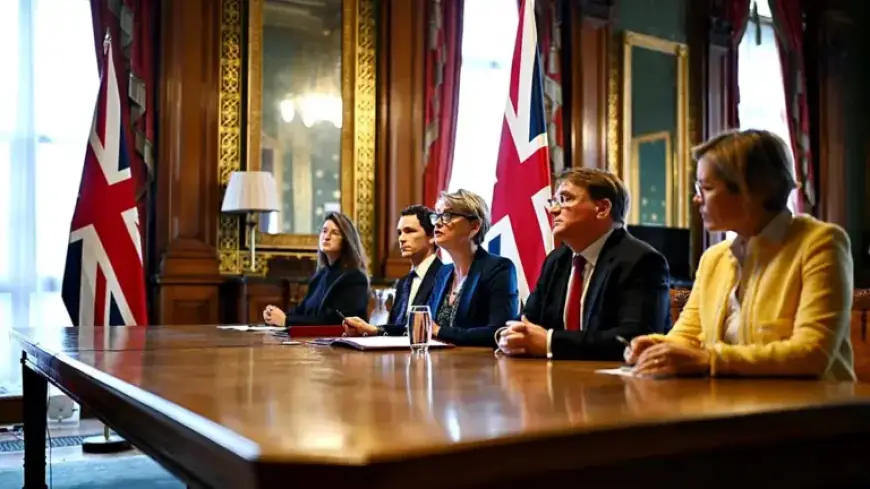
More than 40 countries launched a joint effort on Thursday to restore safe passage through the Strait of Hormuz. The initiative aims to act once the hot phase of the conflict involving the United States, Israel and Iran ends.
Inaugural meeting and leadership
The first session took place virtually. British Foreign Secretary Yvette Cooper hosted the meeting.
The United States did not attend the event. European and Middle Eastern diplomats took part instead.
Goals and possible measures
The global coalition of over 40 nations plans to use diplomatic and economic tools. Sanctions were listed among the options under consideration.
Military planners will study defence roles. Those options include demining and escorted transits once fighting eases.
Coalition framing
The group seeks to enable a safe, toll-free transit through the strait. Participants stressed alignment with international law and maritime norms.
Humanitarian concerns
Italy, the Netherlands and the UAE called for a humanitarian corridor. The measure would protect fertiliser shipments and help avoid food shortages.
The European Union joined the diplomatic push. High Representative Kaja Kallas voiced support for restoring safe navigation.
United Nations and legal authority
Bahrain is preparing a United Nations Security Council resolution on protecting commercial shipping. The draft removes explicit binding enforcement language.
The revised text would allow states to use “all necessary means commensurate with the circumstances.” That formulation seeks flexibility for varied national responses.
Strategic and commercial risks
The Strait of Hormuz normally carries about one fifth of the world’s oil, gas and jet fuel. Disruptions there have global economic effects.
Geography favors Iran’s defensive tactics, including missiles and drones. Shallow waters and high terrain increase risks to transiting vessels.
Diplomatic tensions and reactions
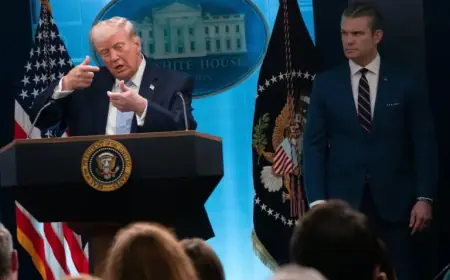
President Donald Trump urged allies to take responsibility for securing the waterway. He argued the countries that rely on Middle Eastern energy should act first.
US Secretary of State Marco Rubio backed a recent G7 statement on restoring toll-free navigation. Mr. Trump later urged partners to “learn how to fight for yourself.”
French President Emmanuel Macron warned that a military effort would be prolonged and dangerous. He stressed the high risks posed by Iran’s Revolutionary Guards and ballistic missiles.
Meeting outcome and next steps
The virtual gathering focused on situational assessment and coordination. Delegates did not issue a joint operational statement.
Further diplomatic work will continue. States will consider both political measures and operational options over coming weeks.
Reporting by Filmogaz.com.