
























Aurora Viewing in Southern Canada Diminishes with Decreasing Solar Activity

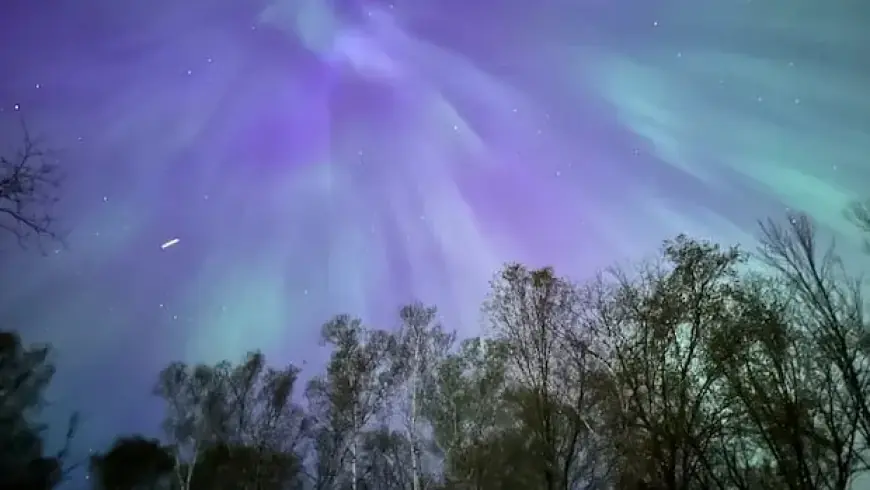
The phenomenon of aurora viewing in Southern Canada is facing a decline as solar activity decreases. Over the past two years, Southern Canadians have enjoyed vibrant displays of northern lights. However, the sun is currently entering a quieter phase of its 11-year solar cycle. This change will inevitably affect the visibility of these stunning celestial shows.
Regions with Best Aurora Viewing Opportunities
The best locations for aurora viewing still remain in the Northwest Territories, Yukon, and Nunavut. Ethen Sun, a Ph.D. candidate in astronomy at the University of Toronto, emphasizes that these areas are where the auroral oval is most prominent. As solar activity wanes, sightings in southern provinces such as Ontario, British Columbia, Saskatchewan, and Manitoba will become less frequent.
Understanding Solar Cycles
- The sun operates on an 11-year cycle, transitioning between solar maximum and minimum phases.
- The current phase is about a year and a half past the solar maximum, with predictions pointing to a minimum around 2031.
- During the solar maximum, increased solar activity leads to more frequent and vivid auroras due to events like coronal mass ejections and geomagnetic storms.
Viewing Conditions and Timing
The optimal months for aurora viewing are between September and April. Particularly bright occurrences tend to coincide with the spring and autumn equinoxes. Despite being in the auroral oval, the intensity of northern lights experienced recently may diminish as solar activity declines.
Impact on Aurora Tourism
According to a report by Tourism Yukon, there is a concerted effort to attract tourists during the solar maximum from 2023 to 2025. Visitors from various countries, including the UK, Germany, Switzerland, and Australia, have expressed keen interest in experiencing the northern lights. In 2025 alone, Yukon saw $484 million in tourism revenue attributed largely to this celestial attraction.
- Aaron Ratko, a board member of the Wilderness Tourism Association of Yukon, highlights the appeal of winter aurora experiences, often drawing repeat visitors.
- Despite occasional aurora sightings, Travel Nunavut primarily promotes its culture and landscapes rather than focusing on the northern lights.
The Northwest Territories: A Key Destination
In the Northwest Territories, visitors can witness the northern lights approximately 240 nights a year. A report indicated that around 41% of tourists are lured to this region specifically for aurora viewing. Marie-Soleil Lacoursière, from Aurora Village in Yellowknife, notes that these events play a significant role in supporting local economies.
Overall, the transition towards a solar minimum signifies potential changes for aurora enthusiasts in Canada. As solar activity declines, the window for ideal viewing will also narrow, particularly in regions beyond the northern territories.