























War’s Unexpected Impact: Beer, Balloons, and Mortgages Affected

The ongoing conflict in Iran is causing widespread disruptions to global supply chains, significantly impacting various industries and everyday commodities. As oil and gas prices soar due to the war, a range of unexpected shortages and price increases are emerging around the world. This situation is affecting everything from food production to consumer goods.
The Impact of War on Everyday Products
Rising Costs of Aluminum
The price of aluminum has surged to a four-year high due to the conflict’s impact on Middle Eastern smelters. The U.S. relies heavily on this metal for manufacturing beer and soda cans, among other products. This price hike could lead to increased costs for beverages.
Helium Shortages and Their Consequences
Helium, primarily sourced from the U.S. and Qatar, is in short supply because of production halts due to geopolitical tensions. This scarcity affects industries ranging from balloons to high-tech manufacturing, including semiconductors and MRI machines. Scotten W. Jones, an industry expert, warns that extreme price increases for helium could jeopardize semiconductor production.
Fertilizer and Food Production Challenges
The war is also constraining the global supply of fertilizers. Given that a substantial portion of fertilizers is exported through the Strait of Hormuz, shortages are driving prices up by approximately 25%. Farmers in the U.S. are notably feeling the pressure, with some reporting fertilizer costs rising from $500 to $850 per ton. This could lead to reduced crop yields and food shortages worldwide.
Mortgage Rates and Housing Market Dynamics
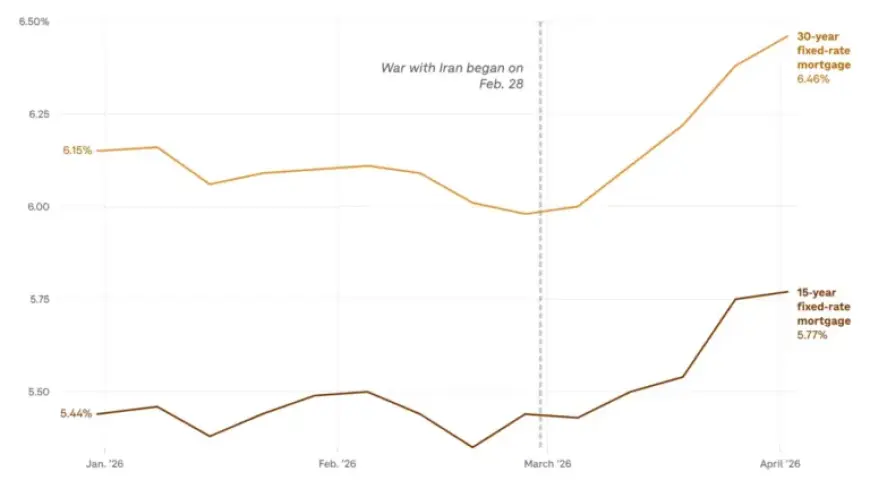
In the housing market, rising uncertainty from the conflict has led mortgage rates to climb from just below 6% to nearly 6.5%. This increase affects home buyers, making borrowing more expensive and slowing down housing market activity.
Impact on Battery and High-Tech Industries
The price of sulfur, crucial for batteries and other high-tech materials, is also on the rise due to disruptions in supply chains. Sulfur’s usual production as a byproduct of oil refining has been hindered, causing concerns for industries reliant on this critical component.
Petrochemicals and Plastics Shortages
Oil isn’t just a fuel; it is fundamental for producing petrochemicals and plastics. The ongoing turmoil has heightened prices and disrupted supply chains, which may take months to recover even if conditions improve quickly. Companies anticipate rising material costs, affecting a variety of industries reliant on plastic products.
Global Reaction and Future Implications
- South Korea’s government encourages energy conservation through shorter showers.
- In India, popular dishes like butter chicken may disappear as restaurants confront cooking gas shortages.
- The Philippines is urging officials to conserve electricity, with stair use recommended over elevators.
The effects of the Iran war extend beyond fuel prices, touching essential goods and consumer markets globally. As different regions implement measures to combat shortages, the long-term implications could drastically change how consumers access everyday items.