
























Iran Challenges Trump’s Deadline: NPR Reports

Iranian officials have firmly rejected President Trump’s ultimatum regarding the reopening of the Strait of Hormuz. This statement came as the conflict intensified, with both nations continuing their missile attacks against each other.
Iran Defies Trump’s Ultimatum
On April 5, 2026, Trump issued an ultimatum demanding the opening of the strategic waterway, which is crucial for oil transport. He warned Iran that the deadline would expire on Tuesday at 8 PM ET. Trump’s remarks included a provocative social media post that hinted at military escalation, saying, “Open the F*in’ Strait, you crazy bastards, or you’ll be living in Hell – JUST WATCH!”
Iranian officials viewed Trump’s statements as a sign of desperation. Seyyed Mehdi Tabatabai, a spokesman for Iran’s president, stated that the Strait would reopen only after damages from the war were compensated. He emphasized that Iran is committed to protecting its national security.
Military Actions Escalate
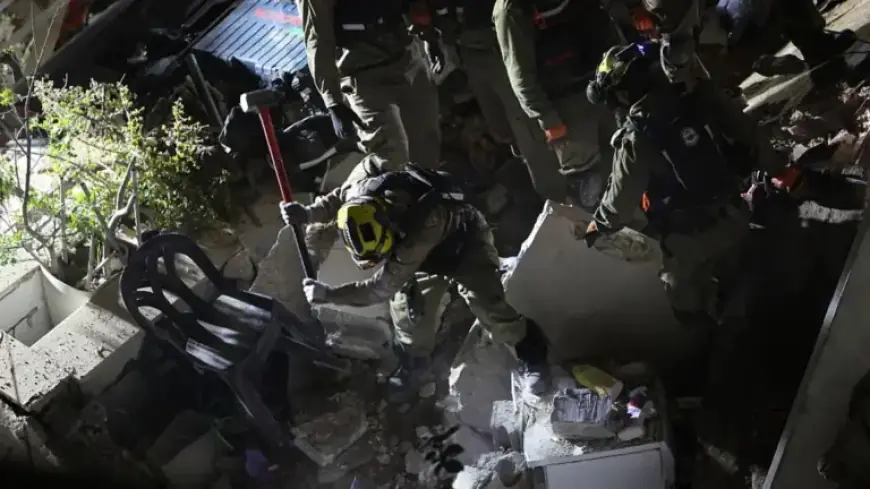
The violence has escalated, with U.S. and Israeli forces targeting oil facilities and other infrastructure within Iran. In turn, Iran has launched missiles at various towns in Israel and has attacked oil refineries in Gulf countries. Notably, the strike on Haifa resulted in the destruction of a residential building, killing four individuals.
- Four civilians were killed in Haifa after an Iranian missile struck a residential area.
- Missiles targeted major locations, including Tel Aviv and oil refineries in the Persian Gulf.
- Iranian missile and drone attacks have reportedly been aimed at critical infrastructure supporting U.S. military activities.
International Reactions and Proposed Ceasefires
In response to the ongoing conflict, diplomatic efforts have been initiated by envoys from Egypt, Pakistan, and Turkey. They have proposed a 45-day ceasefire and ways to reopen the Strait of Hormuz. This proposal was presented to Iran’s foreign ministry and U.S. mediators recently.
Qatar’s Prime Minister has called for a return to negotiations, and Oman has been engaging with Iranian diplomats to discuss possible solutions. These discussions highlight the need for stability and uninterrupted energy security in the region.
Continued Hostilities
Amid the ongoing hostilities, Israeli officials confirmed the death of Iran’s Revolutionary Guard Corps intelligence chief. Israel’s Defense Minister vowed to continue operations against Iranian leaders, claiming it would protect Israeli civilians and infrastructure from further strikes.
Impact on Regional Security
Iran’s aggression is not limited to Israel; it has targeted several critical sites in Kuwait and the United Arab Emirates. The strikes have caused significant damage to oil and power facilities, raising alarms over potential energy shortages in the region.
As tensions escalate, analysts are closely monitoring the Bab al-Mandeb Strait, another significant maritime passage. Iran has signaled its potential interest in this area, thus intensifying fears over disruptions to global maritime trade.
The situation remains dynamic as both sides appear entrenched in their positions, and the conflict shows no signs of abating. International mediators are increasingly called upon to facilitate dialogue and seek a resolution to ensure regional stability.