






















Boost Affordability with Innovative Alternative Housing Solutions

As the housing crisis deepens, innovative alternative housing solutions like flat pack and modular homes are emerging as potential remedies. Experts warn that the trend of diminishing affordability will only worsen without a significant shift in construction methods.
Current Housing Challenges
Several factors contribute to rising housing costs across the country. Escalating material prices, labor shortages, and restricted supply chains have all led to inflated property prices. Ray White Group’s chief economist, Nerida Conisbee, highlights the mounting challenges in housing delivery.
“A lack of skilled tradespeople and high material costs have sharply increased expenses over the past two years,” Conisbee stated. Furthermore, conflicts in the Middle East are affecting fuel costs and disrupting shipping routes, further complicating the landscape.
Policy Changes and Innovative Solutions
Despite promises of new housing policies in South Australia, industry leaders like Shed House Australia director Dave Penfold argue that these measures fail to address the underlying issues. He insists that a shift in construction philosophy is essential to tackle the growing affordability crisis.
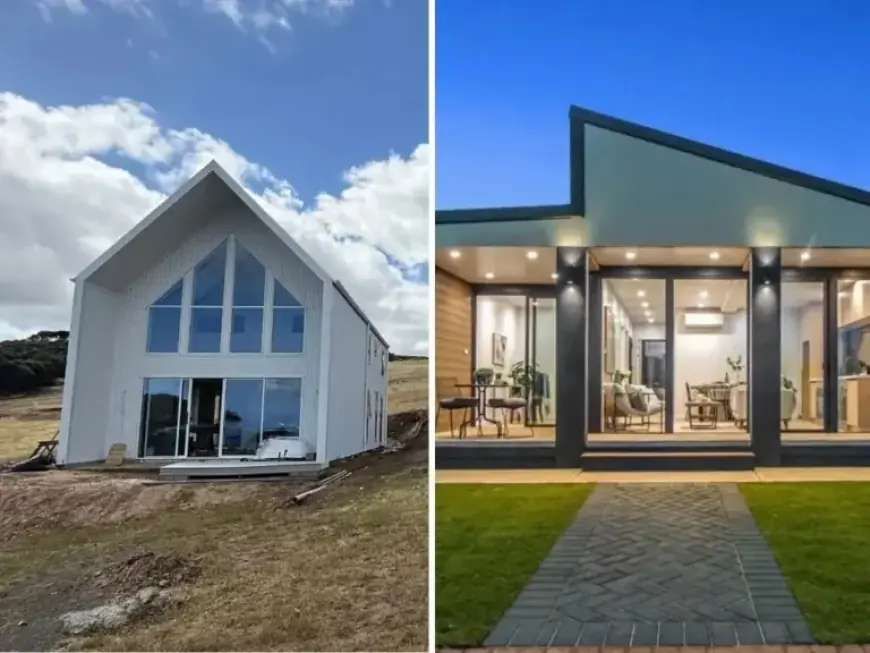
“The construction industry has not adapted to changing economic conditions,” Penfold noted. “Our alternative housing kits offer a sustainable, cost-effective solution.” The kits can be assembled by owners themselves, reaching lockup in just four to eight weeks and costing up to 20% less than traditional building methods.
- Flat pack homes range from $52,000 to $145,000 plus GST.
- Building costs depend on location, site conditions, and finishes.
Modular Homes Gaining Traction
Modular homes are also becoming increasingly popular in Australia. Last year, two units built by BoxMod in Kadina were sold quickly, demonstrating strong market demand. These homes typically cost under $300,000, excluding land, and can be assembled within weeks.
Nathan Casserly, executive director of OC, believes that alternative housing types, including flat pack and modular homes, are particularly suited for regional areas. As travel becomes more expensive, and construction costs in these areas rise, these housing solutions could provide a way forward.
Future Outlook
While metropolitan areas may face challenges due to land constraints, apartments and alternative housing could significantly impact urban environments. “The next generation may prefer flat pack or modular designs,” Casserly emphasized, predicting a potential shift in housing preferences.
As the affordability crisis continues, exploring innovative housing solutions could be crucial for many Australians. Embracing these alternative methods might just be the key to making homeownership a reality for more people.