























Fuel Price Hike Intensifies Stress on Petrol Station Staff and Operators

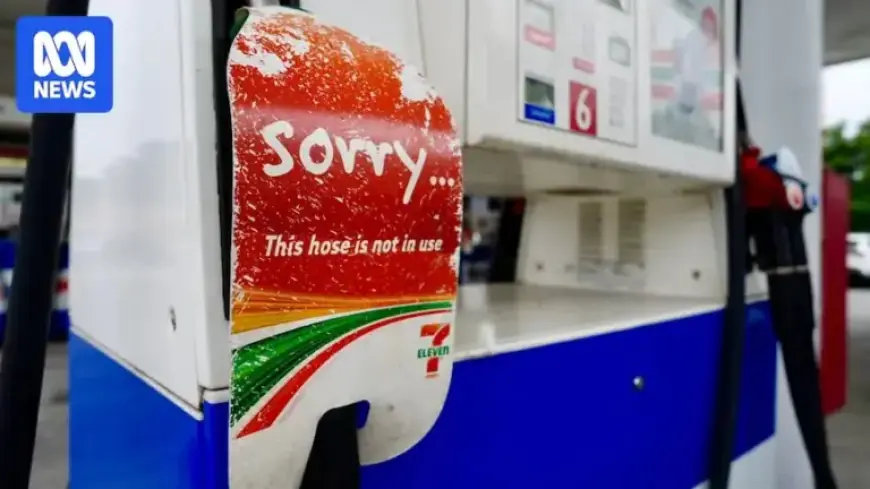
Recent fuel price hikes have led to increasing tensions at petrol stations across Australia, significantly impacting staff and operators. The stress on workers has sparked verbal abuse and even theft, highlighting the challenges faced by independent petrol retailers.
Impact of Rising Fuel Prices on Petrol Station Staff
Eddy Nader, who manages six service stations in New South Wales, reported incidents of customer aggression. In one notable case, a customer verbally assaulted an employee, nearly reducing her to tears. A truck driver intervened to protect the staff member, emphasizing the escalating hostility in these retail spaces.
In another alarming incident, a customer allegedly fled without paying for $1,000 worth of diesel. Nader recounted that the individual dismissed his concerns by claiming that the larger company, Ampol, could afford the loss. However, he clarified that his business operates independently and is not backed by a corporate giant.
Customer Behavior Shifts Amid Cost Pressures
- Many customers are cutting back on additional in-store purchases due to rising fuel costs.
- Nader noted that customers are opting to buy fuel only without accompanying snacks or drinks, which are crucial for the profitability of petrol stations.
- Staff expenses, insurance, and operational costs often leave little to no profit from fuel sales alone.
Nader, who comes from a third-generation family business in the fuel industry, expressed concerns about the future of small petrol retailers. He remarked on the strain that the current economic climate puts on fulfilling the traditional dreams of home and business ownership.
Union Response to Worker Abuse
The Shop, Distributive and Allied Employees Association has launched a nationwide survey to address the rising incidents of abuse toward petrol station staff. Union Secretary Gerard Dwyer confirmed an alarming increase in reports of verbal confrontations and physical altercations.
“The conversations we’ve had indicate that many workers are under significant pressure,” Dwyer stated. He urged the public to recognize that the employees at these stations are not responsible for the rising fuel prices.
Understanding the Fuel Retail Landscape
According to the Australasian Convenience and Petroleum Marketers Association, less than one-third of petrol stations in Australia are owned by major fuel companies. The vast majority are small to medium-sized businesses, often operating under branding agreements.
Rowan Lee, CEO of the association, noted that misconceptions regarding profits from price hikes have contributed to the hostility towards petrol station staff. Preceding the government’s fuel excise adjustments, nearly 52 cents per dollar spent on petrol went to taxes and associated costs, leaving retailers with minimal profit margins.
Current Challenges for Retail Operators
Retailers are working exceptionally long hours, often exceeding 16 hours a day, just to keep their businesses afloat. Lee condemned the abuse of petrol station workers, emphasizing that they do not control fuel pricing or taxation.
As fuel prices remain volatile, both workers and operators continue to face unprecedented challenges, urging the public to treat them with respect and understanding.