
























Climate Change Threatens Flavor and Future of India’s Darjeeling Tea

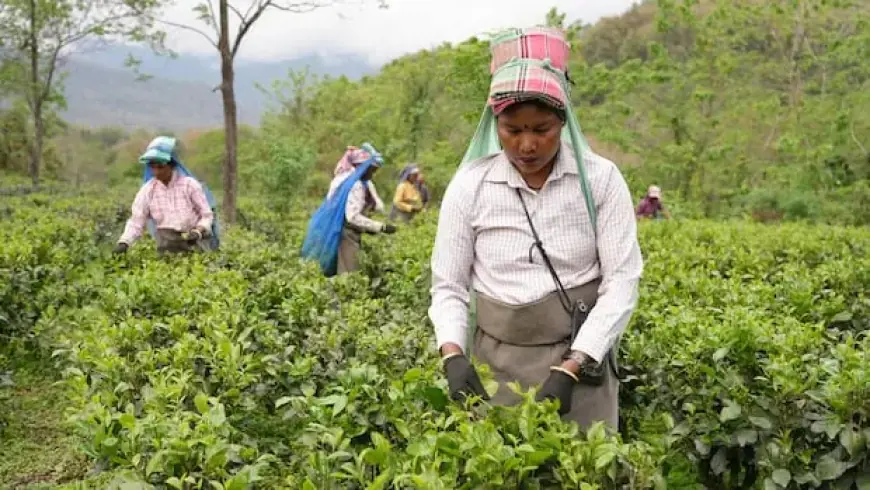
Recent changes in climate are jeopardizing the unique flavor and future of Darjeeling tea, a staple of India’s tea industry. Located in the Himalayas of West Bengal, Darjeeling is renowned for its premium tea, often referred to as the “champagne of teas.” However, local tea farmers, like Satish Mitruka from Nurbong Tea Garden, are expressing grave concerns about the industry’s viability.
Climate Change Impacts on Darjeeling’s Tea Production
In early March, Mitruka described a worrying trend: “Darjeeling is a dying industry.” His comments reflect a broader sentiment among local farmers, who are alarmed by the changing weather patterns disrupting their harvests. The prized first flush of Darjeeling tea typically fetches high prices—up to $2,200 per kilogram—yet this year’s harvest faces risks due to prolonged dry spells followed by excessive rainfall.
The Importance of Seasonal Flushing
Darjeeling tea undergoes four seasonal flushes, with the first flush yielding the most delicate and aromatic variety. This premium quality depends largely on timely rainfall, crucial for ensuring the soil remains moist and productive. Unfortunately, disruption in rainfall patterns has begun to diminish both taste and reputation.
- First Flush: Light and floral, highly sought after.
- Second Flush: Fuller-bodied and spicier, widely recognized.
- Monsoon and Autumn Flushing: Less desirable in flavor and quality.
The unpredictable climate has resulted in younger tea bushes becoming increasingly vulnerable. The impact of extended drought periods severely affects the crops, raising concerns among farmers about future production.
Escalating Climate Concerns in the Himalayas
The latest research indicates the Himalayas are warming nearly 50% faster than the global average. Experts warn that erratic weather is now commonplace, with devastating effects. For instance, the region experienced a series of landslides caused by heavy rain in October, leading to significant loss of life and damage to tea estates.
Eklabya Sharma, an ecologist with extensive experience in the region, noted that the irregular precipitation and increasing temperatures threaten the delicate balance needed for tea production. “Without winter rains, there is no first flush,” he emphasized. “This directly impacts the premium tea we bring to market.”
Economic Challenges for Tea Farmers
India ranks as the second-largest tea producer globally, with Darjeeling tea having a unique reputation that commands international attention. However, declining production figures signal deeper troubles. According to the Tea Board of India, the output from Darjeeling estates has plummeted from 14 million kilograms to just 5.25 million kilograms in recent years.
Factors Affecting Tea Quality
- Climate Change: Erratic weather reducing the quality of tea leaves.
- Old Tea Bushes: Aging plants are less resilient and productive.
- Counterfeit Products: Imitation teas from neighboring regions threaten market share.
Farmers, such as Rishi Saria of Gopaldhara and Rohini estates, share growing concerns. Saria noted that a poor harvest due to drought over several years has made buyers hesitant. “Once the tea is not so fruity, it becomes less appealing,” he added.
The Future of Darjeeling Tea
Beyond climate-related challenges, there are socio-economic concerns for the next generation of tea workers. Many young individuals are reconsidering a future in a slowly declining industry, dissuaded by low profits and arduous labor. Mitruka expressed worries that his son, like many peers, shows little interest in continuing the family tradition.
As climate change continues to threaten Darjeeling’s unique tea profile, the industry may need innovative solutions to preserve both its flavor and future. Without immediate action, the loss of this iconic beverage may soon become a reality.