




NY-12 Candidates Advocate for Environmental Sustainability

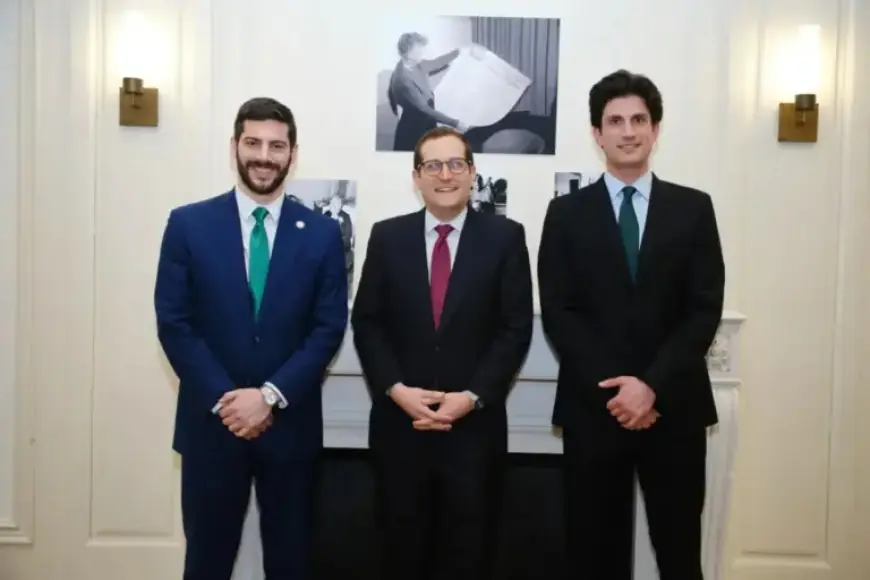
Three leading contenders for New York’s 12th congressional district discussed green policy and infrastructure at a March 17 forum. NY-12 Candidates Advocate for Environmental Sustainability came together to outline priorities. The event took place at Roosevelt House and was co-hosted by Hunter College and the New York League of Conservation Voters Education Fund.
Forum participants and context
The speakers were Assemblymember Alex Bores, Assemblymember Micah Lasher, and commentator Jack Schlossberg. The seat is open after Representative Jerry Nadler announced his retirement. The Democratic primary is scheduled for June 23. Early voting runs June 13 to 21, and the general election is on Nov. 3.
Transit and congestion policy
All three backed congestion pricing as a success. They favored solar and wind energy over nuclear, while not fully ruling nuclear out.
They supported continued expansion of public transit. The Second Avenue subway was a focal point.
Second Avenue subway details
Phase one extended the Q line to 96th Street. That work cost about $4.45 billion. Phase two is estimated at $7.7 billion. A federal grant of $3.4 billion helps fund it. In August 2025, a tunneling contract was approved to extend service toward Lexington Avenue and 125th Street. New stations at 106th and 116th Streets were included in that plan.
The MTA sued the federal government on March 17. The agency alleges that $58.6 million in project funding was wrongfully withheld. The MTA announced plans to continue work despite the lawsuit.
Construction reforms
Lasher proposed wider use of design-build contracting. He also favored growing in-house MTA engineering staff. Bores agreed and criticized heavy spending on outside consultants. Bores said he hopes to join the House Transportation and Infrastructure Committee if elected.
Federal policy and gerrymandering
All three rejected the idea that efforts to ban gerrymandering were a tactical mistake. Their stances differed, however.
Schlossberg took a firm anti-gerrymandering stance. Bores and Lasher argued for short-term measures to respond to recent redistricting in Republican-led states. They suggested a national ban could follow after the midterms.
The candidates also warned that the federal executive agenda complicates environmental funding. They said a second Trump administration would likely prioritize oil and gas. That, they argued, will make federal support for New York City projects harder to secure.
The SPEED Act and environmental reviews
The SPEED Act passed the House in December 2025. It narrows some NEPA environmental reviews, caps litigation, and limits which projects need full review.
All three opposed the bill. Bores and Lasher said they favor permitting reform. They argued the SPEED Act is not the right approach. Environmental groups share their concerns that the bill could speed fossil fuel projects.
Public housing debate
The forum addressed plans to replace Fulton and Elliott-Chelsea Houses. NYCHA officials cited decades of structural neglect.
An appeals court paused demolition in February after a tenant lawsuit. Schlossberg said tenant meetings shifted his view. He still supports building new housing but acknowledged the complexity. Lasher said there is no viable, near-term alternative to replacement.
Personal investments and campaign finance
In a rapid-fire segment, all three initially said they held no oil and gas stocks. Moderated questions prompted fuller disclosures.
Schlossberg revealed he inherited an interest in an Oklahoma oil well. He said he cannot sell that interest. He also said he no longer holds Exxon or Hess shares. Schlossberg emphasized his campaign relies on small donors and rejects PAC, super PAC, and billionaire funding.
Bores described deliberate steps to avoid index funds tied to oil and gas. Lasher said his 401(k) includes target-date index funds.
Pipeline positions
Schlossberg supported the Williams pipeline, also called the Northeast Supply Enhancement Project. Bores and Lasher opposed that expansion.
Hudson and East River cleanup
All candidates backed increased investment in river cleanup. Schlossberg mentioned paddleboarding in the Hudson during a lighter moment. The remarks highlighted personal interest in river health.
Lasher pointed to combined sewer overflow as the main technical obstacle. He urged state and federal collaboration. He also cited the PlusPool idea as a long-term vision for a swimmable Hudson.
Student engagement and outreach
Both Bores and Lasher encouraged Fordham students to participate in the election. Bores praised student work on data-driven policy at Fordham Law’s AI summit. They urged young voters to register and vote.
Campaign field and endorsements
The primary field includes more than a dozen candidates. George Conway attended a post-forum reception but did not take part in the forum. Laura Dunn distributed campaign materials outside Roosevelt House.
Invitations required either $250,000 raised or elected-office status. Nadler endorsed Lasher in February. Former Mayor Michael Bloomberg also backed Lasher. Bores earned endorsements from former Representative Carolyn Maloney and several assemblymembers. Schlossberg was endorsed by Representative Nancy Pelosi.
Event hosts and moderation
Roosevelt House hosted the event. Hunter College and the New York League of Conservation Voters Education Fund co-hosted it. Dan Rivoli moderated and is a political reporter with Filmogaz.com.
- Date of forum: March 17.
- Primary date: June 23; early voting June 13–21.
- General election: Nov. 3.
- Second Avenue subway phase one cost: $4.45 billion.
- Phase two estimate: $7.7 billion, with $3.4 billion federal grant.
- MTA alleges $58.6 million was withheld.
- SPEED Act passed: December 2025.
- Tunneling contract approved: August 2025.