
























Top College Sports Conferences Address Trump’s Recent Executive Order

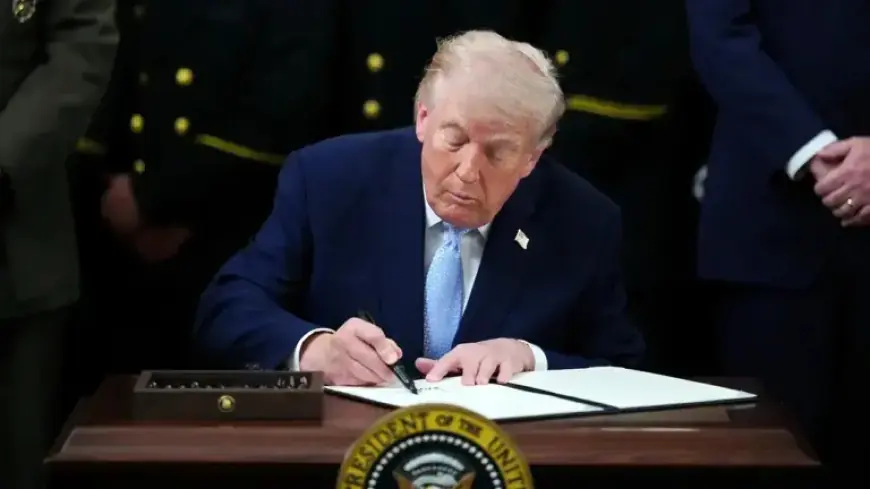
Top leaders from the Big Ten, SEC, ACC and Big 12 publicly welcomed President Trump’s recent executive order on college athletics. They praised federal involvement and urged Congress to act quickly. Their responses stressed the need for uniform national standards on transfers, eligibility and athlete compensation.
Key elements of the executive order
The order asks federal agencies to evaluate whether schools violate new rules. Agencies may limit federal grants and contracts for noncompliant universities.
It calls for a five-year participation window and structured transfer rules. Transfers would generally be limited to one move.
The directive targets improper financial arrangements. It seeks to curb pay-for-play deals facilitated by booster collectives.
The order also directs schools to preserve funding for women’s and Olympic sports. It repeats prior administration language banning pay-to-play payments from third-party sources.
Conference responses and legislative push
Commissioners from the major conferences issued statements Friday evening. They thanked the president and pressed Congress for national standards.
The Big Ten’s commissioner expressed appreciation and committed to working with lawmakers. He highlighted the bipartisan SCORE Act as a potential framework.
SEC leadership said consistent national rules are a top priority. The statement urged House approval of the SCORE Act and Senate consideration.
Big 12 and ACC positions
The Big 12 emphasized that federal action is essential to protect college athletics. Its commissioner welcomed the president’s effort and asked Congress to follow up.
The ACC thanked the administration and noted momentum from a recent White House roundtable. The commissioner said the SCORE Act could bring needed stability.
SCORE Act and Capitol Hill dynamics
The SCORE Act featured prominently in presidential discussions on college sports. The White House endorsed the bill as a blueprint for reform.
The measure would provide the NCAA a limited antitrust exemption. It would also prevent athletes from being classified as employees of their schools.
The bill forbids using student fees to fund NIL payments. House leaders planned a vote in December, but the vote was canceled.
Three House Republicans — Byron Donalds, Scott Perry and Chip Roy — joined Democrats to block the bill from the floor. Democratic opposition to the bill has been strong.
Legal settlement and financial implications
A federal judge approved a settlement about one month before the executive order. The deal covers Division I athletes who competed from 2016 through 2025.
The NCAA will pay nearly $2.8 billion over ten years to eligible athletes. The settlement also allows college programs to pay athletes directly.
Context and next steps
The executive action follows a White House roundtable held about a month earlier. That meeting brought sports leaders and policy makers together.
Conference officials said they will keep working with Congress and other stakeholders. Their focus remains on national standards for athlete compensation, employment status and NIL rules.
- Conferences: Big Ten, SEC, ACC, Big 12
- Key bill: SCORE Act
- House Republicans who blocked the floor vote: Byron Donalds, Scott Perry, Chip Roy
- Settlement amount: approximately $2.8 billion
- Settlement period covered: athletes from 2016–2025
Filmogaz.com will continue to follow developments on this issue. Expect more coverage as Congress and federal agencies respond.