






















Sylvester Stallone Shot ‘Rambo II’ in Mexico, Story Set in Vietnam

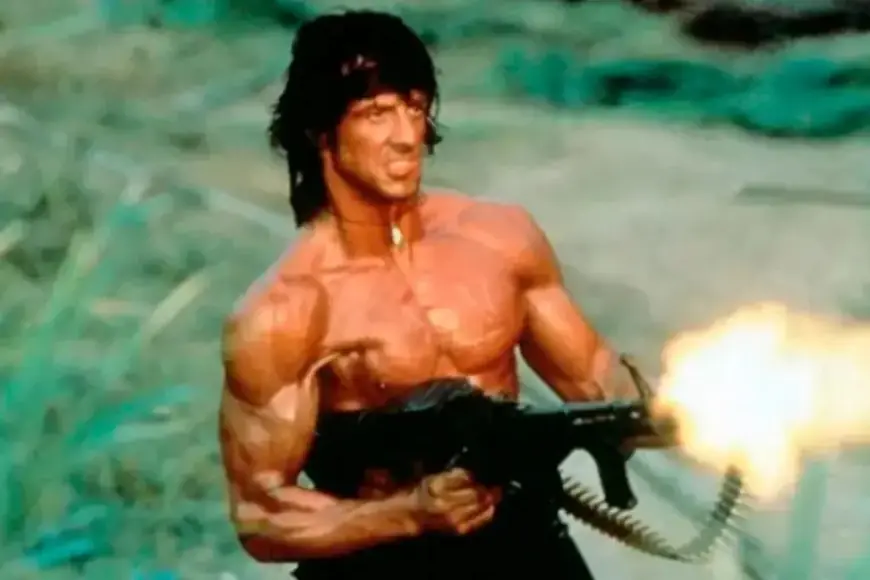
The 1985 sequel transported American audiences into a violent Vietnam mission. The film’s on-screen jungles, rivers, and paddies were actually shot in Mexico.
Sylvester Stallone Shot ‘Rambo II’ in Mexico.
The Story Set in Vietnam was recreated using Mexican locations and studio work.
Primary locations and studio work
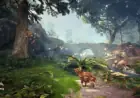
Production used Guerrero state for most outdoor sequences. Waterfalls, river scenes, and dense foliage provided the Vietnam look.
Key spots included Cascade El Salto near Coyuca de Benítez. Filming also used Pie de la Cuesta and Laguna de Coyuca de Benítez to simulate river travel.
Action set pieces took place at Puente Omitlán in Tierra Colorada. That bridge sequence featured explosive arrow effects and heavy stunt work.
Back in Mexico City, Estudios Churubusco supplied interior stages. The studio handled controlled setups and inserted plates for the larger action.
Security, local hires, and logistics
Shooting near a coastal military base attracted official attention. Local reports say Mexico’s intelligence services monitored activity at that location.
The Secretaría de la Defensa Nacional assisted with coordination. Their support helped manage large sequences and equipment movement.
The shoot provided work to roughly 500 local residents. Jobs ranged from extras and logistics to technical support.
Damage, rebuilds, and production aftermath
The Puente Omitlán demolished on screen was later repaired after a real storm damaged it. That reconstruction created a real-world echo of the film’s destruction.
Local landmarks remained tied to the shoot. Residents recall the production as a significant, short-term economic boost.
Comparisons with later entries
The franchise returned to the Mexico subject in Rambo: Last Blood. That film’s principal photography took place in Spain’s Canary Islands and in Bulgaria.
Producers cited tax incentives for those location choices. Critics noted authenticity problems when Spanish performers portrayed Mexican characters.
Film critic Gerardo Valero at RogerEbert.com highlighted the awkward casting and its effect on the final film. The contrast underscored how location choices shape audience perception.
Availability and legacy
First Blood Part II remains a notable example of location substitution and studio craft. It is available to rent or buy on platforms like Amazon, Apple TV, and Vudu.
Filmogaz.com researched the production’s local footprint and lasting impact on Guerrero and Mexico City. The movie still serves as a study in filmmaking resourcefulness.