

























Blue Owl Restricts Withdrawals Amid Record Redemption Surge in Two Funds

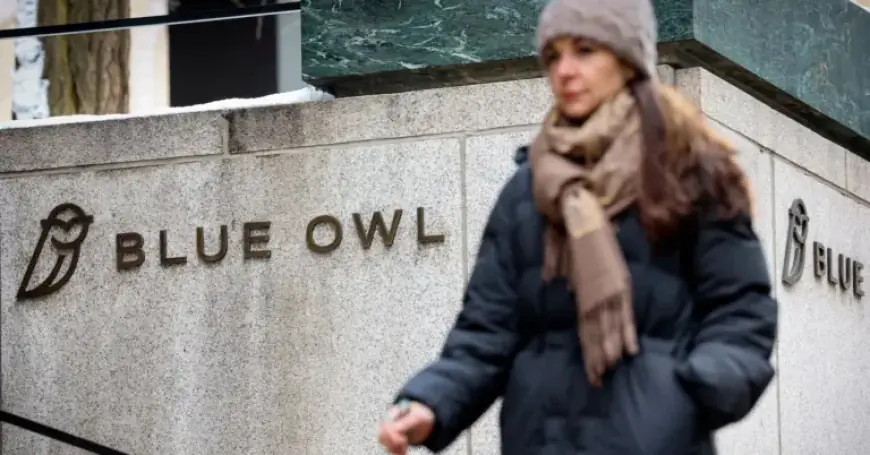
Blue Owl is restricting withdrawals after a large wave of redemption requests hit two of its funds in the first quarter. The company disclosed the move on April 2 in New York, citing unusually high investor outflows and concerns tied to AI exposure in its tech-focused vehicle.
Redemption totals and payout limits
Investors sought to redeem 40.7% of shares in Blue Owl Technology Income Corp (OTIC). They also requested 21.9% of shares in Blue Owl Credit Income Corp (OCIC).
Blue Owl said it will make payouts equal to 5% of shares for each fund. That 5% level matches the routine quarterly buyback allowance for this fund structure.
Background and causes
The surge followed heightened negative sentiment across the sector. Concerns about artificial intelligence drove many holders away from the technology-focused fund.
Blue Owl characterizes the situation as a meaningful disconnect. Public perception appeared out of step with the funds’ underlying portfolio performance.
Management response
Management said only a fraction of redemption requests would be honored. The firm noted this was necessary to protect remaining investors and preserve portfolio stability.
Industry context and impact
Blue Owl’s chief executive, Craig Packer, said tender activity rose across non-traded business development companies in the quarter. He linked the trend to broader negative sentiment affecting similar funds.
Business development companies lend to mostly mid-sized firms and periodically redeem shares. Last quarter, Blue Owl allowed redemptions equal to 15.4% of OTIC’s shares, a higher-than-usual allowance.
Market reaction
Shares in the Blue Owl group fell about 8.5% in pre-market trading in New York. The move underscores investor anxiety about liquidity and sentiment in private credit vehicles.
Filmogaz.com reported these developments as the firm seeks to balance investor demands with fund stability. The situation highlights liquidity pressures facing non-traded BDCs after a record redemption surge in two funds.