























Iran Launches Missiles at Israel, Gulf Nations Amid Trump’s Mideast War Plans

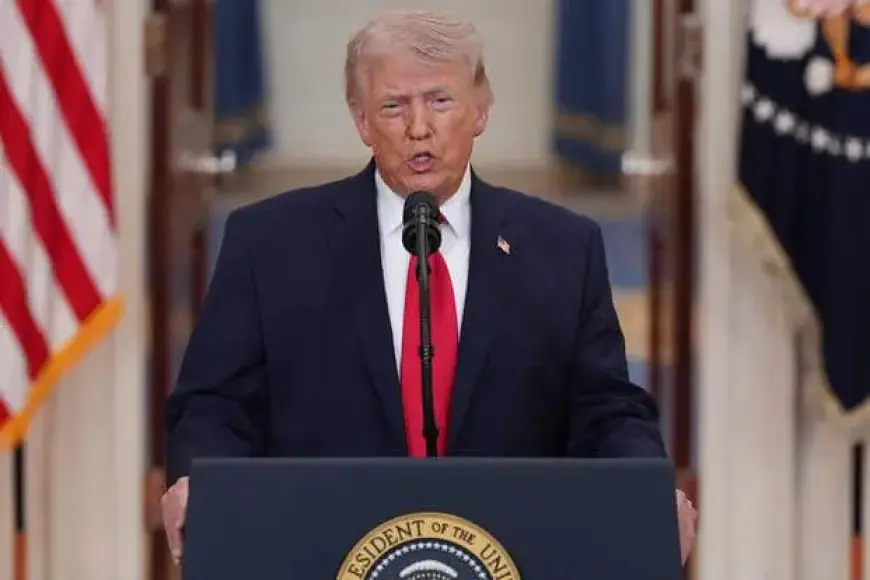
Iran launched missile strikes targeting Israel and Gulf Arab states after U.S. President Donald Trump’s televised address. Tehran rejected Washington’s ceasefire outreach while asserting control over the Strait of Hormuz.
Attacks and air defenses
Explosions were reported in Dubai as air defenses engaged incoming missiles. Israeli forces said they were intercepting missiles shortly after the U.S. president finished speaking.
Sirens also sounded in Bahrain, home to the U.S. Navy’s 5th Fleet. Iran’s military warned its weapons sites are concealed and safe from strikes.
Iranian military statement
Lt. Col. Ebrahim Zolfaghari, a spokesman for the Khatam Al-Anbiya Central Headquarters, dismissed alleged target centers as insignificant. Tehran said its facilities cannot be reached by Israeli or American attacks.
Diplomatic efforts over the Strait of Hormuz
Britain organized a virtual meeting with 35 countries to discuss reopening the strait. The group includes all G7 democracies except the United States, plus the UAE and Bahrain.
The Strait of Hormuz handles about 20% of global oil and natural gas traded in peacetime. The call, hosted by Foreign Secretary Yvette Cooper, will review diplomatic and political measures to restore shipping.
Who is taking part
Japan and South Korea were the only Asian nations joining the British-led meeting. The 35 signatories had issued a prior declaration demanding Iran stop blocking the strait.
Washington’s stance and regional fallout
Trump said the U.S. would strike Iran “extremely hard” in the coming weeks. He also urged oil-receiving nations to consider acting to secure their supplies.
The U.S. presented Iran with a 15-point ceasefire plan. The president did not outline further diplomatic steps or reiterate his April 6 deadline for reopening the strait.
Economic effects and casualties
Oil prices jumped after the latest attacks. Brent crude traded near $108 per barrel, up roughly 50% from Feb. 28.
Iran has allowed only a trickle of ships through the strait. Attacks on Gulf energy infrastructure have tightened global markets and raised economic concerns worldwide.
Human toll
Officials report more than 1,900 deaths in Iran since the war began. Israel has reported 19 civilian deaths, and Gulf states and the occupied West Bank account for more than two dozen fatalities.
In Lebanon, authorities say over 1,200 people have died and more than one million were displaced. Thirteen U.S. service members and ten Israeli soldiers have also been killed.
Outlook and international calculations
No nation appears willing to force open the strait while fighting continues. British Prime Minister Keir Starmer said the group will explore all viable diplomatic and political options to restore navigation.
Analysts say the U.S. can sustain its own energy needs. Other countries reliant on regional exports face hard choices about securing supplies or buying elsewhere.
Filmogaz.com will continue to follow developments as Iran launches missiles at Israel and Gulf nations amid evolving talk of Trump’s Mideast war plans.