























Trump’s Pledge to Hit Iran Hard Escalates Conflict, Oil Prices Spike

President Donald Trump used a roughly 20-minute Wednesday night address to seek public support for the U.S. campaign against Iran. He framed the strikes as retaliation for decades of Iranian and proxy violence. He argued Iran must not be allowed to obtain a nuclear weapon.
Claims of battlefield progress
Trump described recent bombing as producing significant results. He called the campaign successful and said it achieved rare battlefield victories.
He urged Americans to be patient and portrayed the campaign as an investment in the nation’s future. The operation follows weeks of air strikes and other military actions.
Exit timeline and unanswered questions
The president said core strategic objectives are nearing completion. He offered no new exit plan or clear end date for the campaign.
He reiterated a promise to severely strike Iran within the next two to three weeks. He did not clarify whether ground forces would be used to seize enriched uranium or to limit control of the Strait of Hormuz.
Diplomacy and escalation risks
Trump said the negotiating counterpart appears less extreme and more reasonable. Yet he warned that, if no deal is reached, key targets remain under consideration.
He also renewed threats to hit Iran’s power plants. That move risks broadening a conflict he has only recently sought to sell to voters.
Economic ripple effects
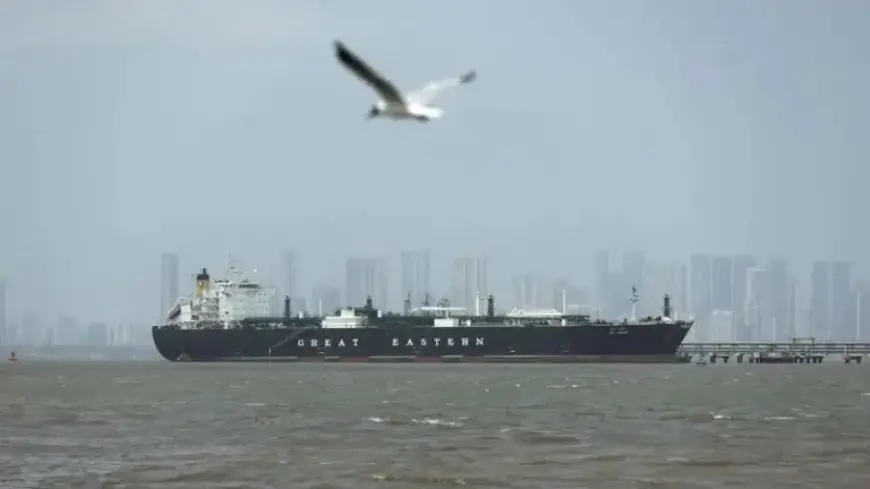
Trump’s pledge to hit Iran hard has increased tensions and may help explain why oil prices spike. Markets closely watch military developments and diplomatic signals.
Key facts
- Speaker: President Donald Trump.
- Format: About a 20-minute address on Wednesday night.
- Conflict duration: Began more than a month ago.
- Military timeline mentioned: Two to three weeks for heavier strikes.
- Threatened targets: Power plants; potential operations around the Strait of Hormuz.
Reporting by Filmogaz.com.