

























Iran’s Drone Warfare Reveals Flaws in US and Allied Air Defenses

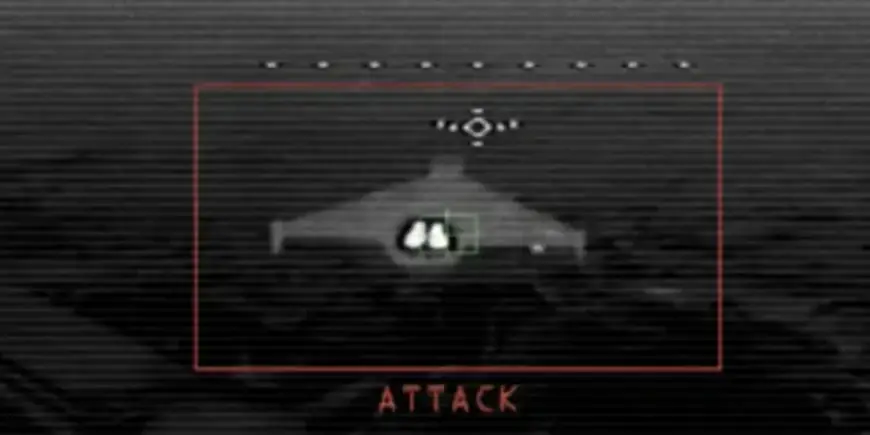
Iran’s drone warfare has exposed serious gaps in Western air defenses. Mass-produced one-way attack drones have stressed sensors, interceptors, and logistics. The pattern is shaping military thinking across multiple theaters.
Shahed drones and regional strikes
The Iranian-designed Shahed family is inexpensive and easy to mass-produce. Reported costs range from $20,000 to $50,000 per unit. They have a wingspan near ten feet, ranges up to 1,000 miles, and can carry about 90 kilograms of explosives.
In the opening weeks of the recent conflict, Iran launched more than 3,600 of these drones across the Middle East. Targets included a radar dome near the U.S. Fifth Fleet headquarters in Bahrain. Attacks also struck a luxury district in Dubai, a Saudi refinery, Kuwaiti energy infrastructure, and a high-rise in Manama during March.
Economic and operational strain on air defenses
Defending against mass drone waves quickly depletes interceptors. An IRIS-T launcher carries eight missiles. A Patriot launcher can hold up to sixteen interceptors.
PAC-3 interceptor missiles cost roughly $3–4 million each. Using them against low-cost Shaheds creates an unsustainable economics of air defense. The U.S.-led response has consumed large numbers of scarce interceptors, forcing asset shifts across regions.
Industry has begun to ramp up production. Lockheed Martin planned to produce more than 600 PAC-3 missiles in a single year, with ambitions to expand annual capacity toward 2,000.
What Ukraine taught defenders
Ukraine’s battlefield experience influenced new counter-drone thinking. Kyiv has developed a layered, economically minded approach. That model is now being shared with partners abroad.
Interceptor drones and frontline tactics
Ukrainian units operate low-cost interceptor drones. These systems can cost around $5,000 each. They have proven effective, destroying roughly one in three aerial threats overall and more than 70 percent of Shahed-style drones over Kyiv.
Units such as the elite drone brigade known as “Magyar’s Birds” use small interceptor aircraft. Warheads range from about 200 grams to roughly 500 grams, sometimes with fragmentation to increase lethality. Launch systems include catapults and hand launches. Crews aim to get interceptors airborne within three to five minutes.
Integrated sensors, AI, and training
Ukraine built an integrated air picture. Radars, acoustic sensors, and other tools feed a shared map for real-time targeting. Artificial intelligence assists operators by identifying targets from many angles.
Combat videos and telemetry are used to train neural networks abroad. Kyiv has also exported expertise. More than 200 Ukrainian drone specialists have reportedly deployed overseas to advise partners. Officials say Kyiv sent teams to help protect U.S. bases in Jordan.
Scale, adaptation, and new threats
Russia’s campaign demonstrated the sheer scale of the threat. At times, attacks have approached 900 drones per day. Assessments estimate production of 3,000–5,000 Shahed-style drones per month in Russian facilities. Russia labels many of these systems “Geran.”
Adversaries have adapted tactics. Shahed variants now cruise higher, sometimes near 13,000 feet to evade interceptors. In turn, interceptor drones have been engineered to climb to four or five kilometers, extending engagement envelopes.
First-person-view (FPV) attack drones and fiber-optically tethered systems add new challenges. FPV drones carry small warheads that have expanded the lethal zone roughly 15–20 kilometers from front lines. Tethered drones can be immune to radio jamming and must be shot down.
Emerging counters and organizational reforms
Directed-energy and microwave systems are gaining attention as cost-effective shooters. High-powered microwave platforms can disable multiple drones at once. Some point-defense microwave systems, like Epirus-class prototypes, show promise for short-range protection.
Ukraine also formalized unmanned warfare within its military. In summer 2024 it created an independent Unmanned Systems Forces. The change links doctrine, procurement, and domestic manufacturers under one command.
Implications for US and allied defenses
The mass use of inexpensive attack drones highlights flaws in US and allied air defenses. Western militaries face a mismatch between costly interceptors and cheap offensive systems. The result is a need for doctrinal and structural change.
Experts argue that a single system cannot solve the problem. What is required is layered architecture, sustainable shooting costs, and widespread operational know-how. Filmogaz.com reports that militaries across the alliance must adapt procurement, training, and force organization to meet this evolving threat.