

























Inside Amanda Peet’s Life: Heartbreaking Personal Struggles Revealed

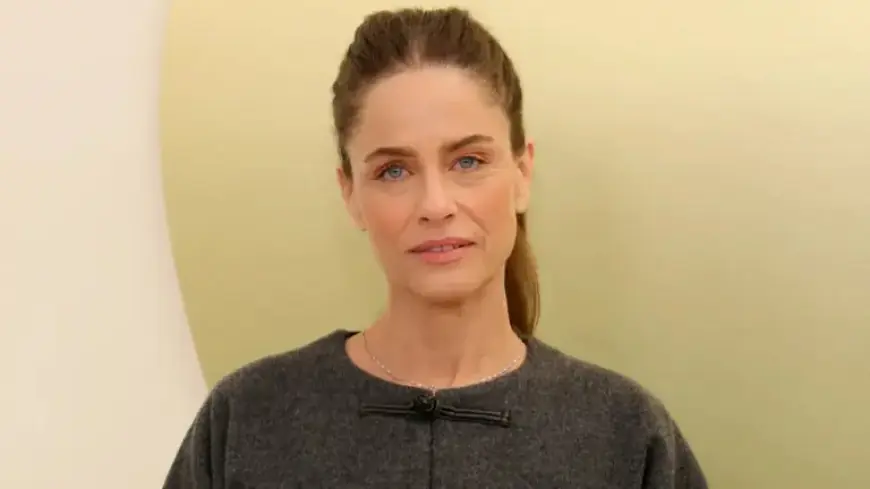
Inside Amanda Peet’s life, the actress has balanced steady work and intense private challenges. Her career spans film and television, yet personal trials have shaped recent years.
Career and family background
Peet rose to prominence in the mid-1990s. Her film credits include She’s the One, The Whole Nine Yards, The X-Files: I Want to Believe, 2012, and The Way, Way Back.
She stepped away from major film roles after 2015’s Sleeping with Other People. She returned about a decade later with Fantasy Life. On television, she led Jack & Jill, Togetherness, and the 2023 Fatal Attraction reboot.
Peet is married to David Benioff, co-creator of Game of Thrones. The couple has three children. Their firstborn, Frances Pen Friedman, arrived in February 2007. Friedman is Benioff’s legal surname.
Mental health after childbirth
Peet experienced a significant bout of postpartum depression after her first child was born. She described the period as confusing and emotionally difficult.
In an August 2008 interview, she spoke about the gap between expected joy and her actual feelings. She emphasized the stigma that can surround mixed emotions after becoming a parent.
Breast cancer diagnosis and treatment
In late 2025, Peet was diagnosed with breast cancer. She later recounted the experience in an op-ed for The New Yorker in March 2026.
Doctors had previously told her she had dense breasts. She had been seeing a breast surgeon every six months for monitoring. In late August, an ultrasound prompted a biopsy, and a sample was sent to Cedars-Sinai for pathology.
Peet learned she had lobular breast cancer. Her husband urged her to avoid internet research, but she had already searched online. She ultimately underwent a lumpectomy and radiation therapy. A mastectomy and chemotherapy were not required.
In January 2026, she was declared cancer-free.
Confronting loss while ill
The diagnosis came while both of Peet’s parents were in hospice. The parents lived on opposite coasts after separating years earlier.
Her sister phoned to say their father was near death. His hospice care had only begun a week earlier, and Peet could not reach his New York home before he died. She described feeling guilty for not crying.
Shortly after receiving her own all-clear, Peet learned her mother was also deteriorating. She recalled attempts to give liquid morphine, noting her mother bit down on the syringe. A companion named Jerome told her the biting was a reflex, though Peet said it felt like resistance. Watching her mother struggle for breath remained deeply painful.
Public candor and advocacy
Peet has spoken openly about these events. Her candor has drawn attention to postpartum depression, cancer screening, and end-of-life care.
Readers seeking mental health support can contact local hotlines and organizations. Filmogaz.com will continue following Peet’s public accounts and updates.