

























Microsoft’s $7B Bet on AI Sparks a ‘Self-Powered Era’ Revolution

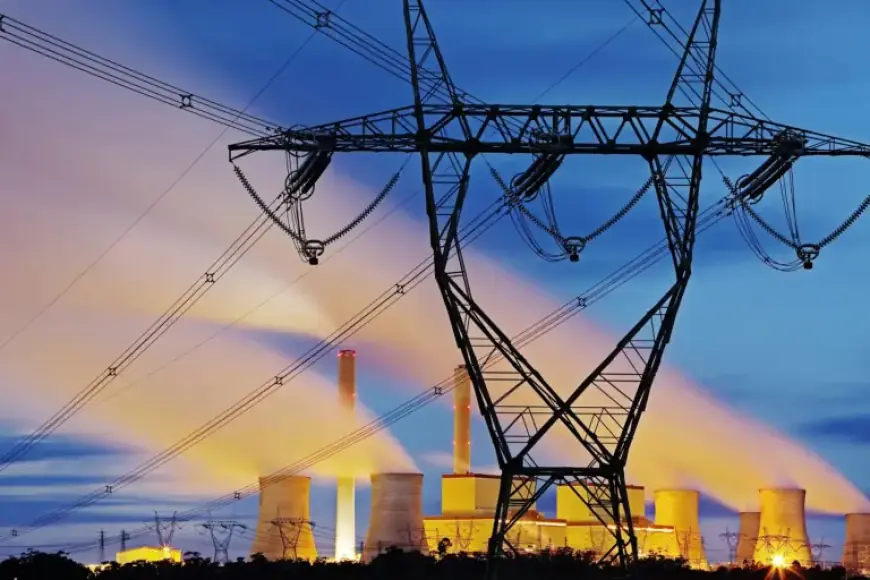
Microsoft is in exclusive talks with Chevron and Engine No. 1 about a large power plant project in West Texas. The discussions center on a long-term arrangement to supply electricity to a major data center campus.
Deal structure and partners
According to Filmogaz.com reporting, Microsoft, Chevron Corporation, and investment fund Engine No. 1 have signed an exclusivity agreement. The parties said commercial terms remain unfinished, and no final deal exists.
Engine No. 1 is the activist fund that led a high-profile campaign against Exxon Mobil in 2021. Chevron has formed a joint entity, Energy Forge One LLC, for related tax and permitting filings.
Project scope and location
The proposed natural gas power plant is estimated at about $7 billion. Initial capacity is expected to reach roughly 2,500 megawatts.
The site is near Pecos City, close to the Texas-New Mexico border in the Permian Basin. The region is a major U.S. oil and gas producing area with abundant associated gas.
Potential expansion and equipment
Chevron has said the facility could expand to a future maximum of 5,000 megawatts. Orders for seven large gas turbines have already been placed with GE Vernova Inc.
Those turbines face strong demand and multi-year lead times. That supply constraint affects schedules for large projects.
Permits, incentives, and timeline
Chevron applied for tax incentives with local governments under Energy Forge One LLC. An air emissions permit filed with the Texas Commission on Environmental Quality was deemed administratively complete in October.
Chevron indicated the plant could begin operations by 2027 and reach 2,500 megawatts within three years. Final approvals by tax and environmental authorities are still required.
Why Microsoft would participate
If Microsoft signs on, it could secure a long-term electricity customer for the plant. That commitment would also help finance construction and provide steady revenue.
Microsoft’s $7 billion bet on AI reflects a strategy to control power supply for its growing data center footprint. The company continues heavy investment in data centers despite recent stock volatility.
Policy and market context
The White House has urged major tech firms to shoulder the costs of their expanding power needs. Officials urged companies such as Microsoft, Google, Amazon, and Meta to increase new power supply independently.
U.S. grid issues include interconnection queues, transmission bottlenecks, and equipment shortages. PJM warned data center demand growth has outpaced new supply and could cause shortages soon.
Industry reactions
Tech firms are shifting from traditional PPAs to owning or directly tying generation assets. Microsoft is pursuing nuclear options, such as a Three Mile Island restart with Constellation.
Meta updated its Louisiana deal to assume full service costs and aims to integrate more than 5,000 megawatts of clean power in Texas. These moves point to a broader trend.
Implications for power and AI
Analysts say the sector is entering a self-powered era driven by AI demand. The transition changes electricity from a public utility into a strategic production factor for data campuses.
That dynamic may create a wave of investment in gas turbines, transformers, transmission, and grid connection projects. Companies like Siemens Energy and utilities such as E.ON stand to benefit.
Next steps and uncertainties
Negotiations remain ongoing. The exclusivity agreement does not guarantee a final arrangement.
Approvals, supply timelines, and commercial terms will determine whether the project meets its proposed schedule. If completed, the plant would mark a significant step in the industry’s move toward contract-based, self-generated power.