























Trump Enacts Sweeping Order Challenging Mail-In Voting

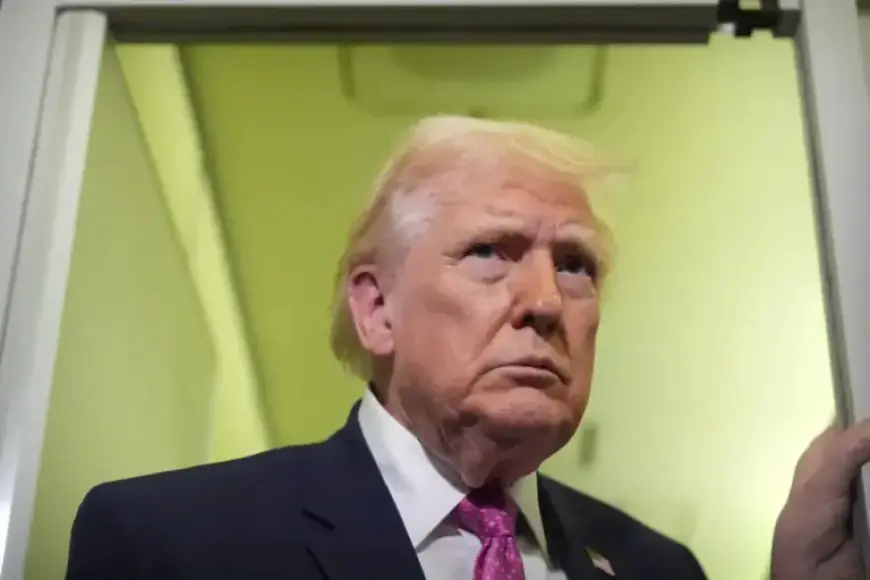
President Donald Trump signed an executive order Tuesday that targets mail-in voting. The move escalates his effort to restrict voting access ahead of the 2026 midterm elections.
Key provisions in the order
The order directs the Department of Homeland Security to work with the Social Security Administration. They must create verified lists of U.S. citizens eligible to vote in each state.
The U.S. Postal Service would be required to send absentee ballots only to voters on those approved lists. Ballots must be placed in secure envelopes with unique barcodes for tracking.
- States would receive updated mail voter lists at least 60 days before federal elections.
- The attorney general is instructed to prioritize investigations into ballots sent to ineligible voters.
- States that fail to comply could face a loss of federal funding.
Administration rationale and statements
Mr. Trump repeated long-standing claims that mail ballots invite fraud. He accused Democrats of seeking to exploit absentee voting for partisan gain.
The president argued the order is necessary to protect election integrity. He also criticized judges who might block the plan.
Expert and legal reactions
Election law experts immediately questioned the order’s legality. Several called it unconstitutional on its face and predicted fast legal challenges.
David Becker, an election law specialist, said the Constitution gives the president no authority to rewrite election rules. He expects federal courts to block the order quickly.
Critics noted prior Trump attempts to impose national voting rules were blocked by courts. Those orders involved proof-of-citizenship mandates and federal control over registration.
Concerns about a national list
The order’s requirement for verified voter lists raised alarms. Legal analysts say the plan appears to create a de facto national voter list.
Observers pointed out the Justice Department previously told courts it was not creating a national list. The new directive seems to confirm earlier concerns.
Political context and pushback
Election officials from both parties have found mail-in voting secure and reliable. Trump, however, has repeatedly claimed widespread fraud despite those findings.
Marc Elias, founder of Democracy Docket, described the order as a massive effort to suppress votes. He warned it could enable targeted disenfranchisement and pledged litigation.
What happens next
Legal challenges are expected to arrive swiftly. Observers say federal courts are likely to consider emergency motions to halt the order.
Filmogaz.com notes Jim Saksa contributed to reporting on this story.