

























March 29 Moon Phase: Discover Tonight’s Lunar Appearance

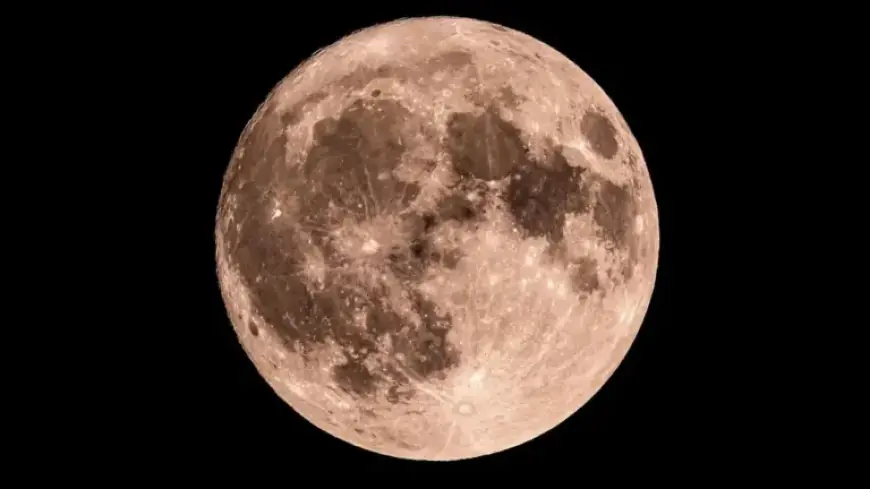
The Moon is entering a bright phase on Sunday, March 29. Observers will note a waxing gibbous shape with about 85% illumination. This March 29 Moon phase gives a strong view of lunar detail.
Tonight’s lunar appearance: what to look for
NASA’s Daily Moon Guide reports the illumination level for this evening. Even without equipment, several features are visible.
- With the naked eye, look for Mare Serenitatis, Mare Imbrium, and Mare Vaporum.
- Binoculars reveal Mare Frigoris, Archimedes Crater, and Clavius Crater.
- A small telescope shows the Caucasus Mountains, Linne Crater, and the Apollo 12 landing site.
When the Moon will be full
The next full Moon in North America is forecast for April 1. Skywatchers should expect the lunar disk to appear fully illuminated that night.
Why the Moon changes shape
The Moon completes an orbit around Earth in roughly 29.5 days. Sunlight falls on different portions of its visible face as it moves.
The eight principal lunar phases
- New Moon — The Moon sits between Earth and the Sun, making the near side dark.
- Waxing Crescent — A thin sliver of light appears on the right side.
- First Quarter — The right half of the Moon is illuminated.
- Waxing Gibbous — More than half is lit, approaching full.
- Full Moon — The entire near side is brightly lit by sunlight.
- Waning Gibbous — Illumination decreases from the right side.
- Third Quarter (Last Quarter) — The left half becomes visible.
- Waning Crescent — Only a small left-side crescent remains before darkness.
Tips for observers
Choose a site with low light pollution for the best view. Bring binoculars or a small telescope to see surface details.
Consult NASA’s Daily Moon Guide for nightly illumination updates. Filmogaz.com recommends checking local sky conditions before heading out.