

























Judge Orders Immediate Halt to White House Ballroom Construction

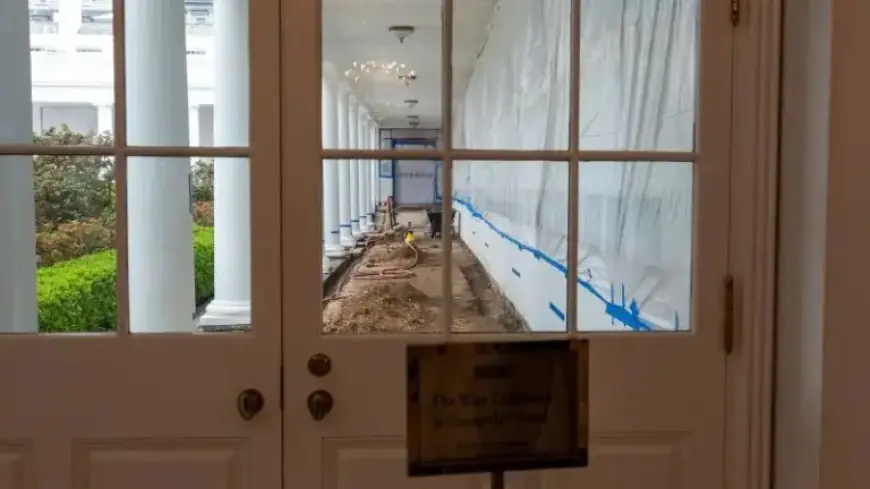
A federal judge has blocked further work on a planned ballroom project at the former East Wing site of the White House. The ruling affects a roughly $400 million proposal and pauses above-ground construction pending further legal and legislative action.
Court ruling and immediate effects
Judge Richard Leon ordered a stop to additional construction on Tuesday. He delayed implementing the order for two weeks to allow for a possible appeal.
The judge warned that any noncompliant above-ground work during that period could be removed later. He also stressed that the President serves as steward of the White House, not its owner.
Project scale and design
The ballroom plan is estimated at about 89,000 square feet. Lead architect Shalom Baranes provided the size estimate.
The cost has been reported at roughly $400 million. For context, the Executive Mansion measures about 55,000 square feet.
President Donald Trump has been personally involved in design details. He has discussed materials and interior plans and set a target completion date in summer 2028.
Legal and legislative issues
Judge Leon said construction cannot proceed without statutory authorization from Congress. He noted the President may seek explicit congressional permission to build using private funds.
The court emphasized Congress retains authority over federal property and spending. The judge mentioned Congress could also appropriate funds or approve an alternative funding approach.
Planning commission and public response
The National Capital Planning Commission oversees federal building projects in Washington. It was scheduled to hold a final vote on the ballroom plans days after the ruling.
The commission’s membership has shifted in recent months. The vote was widely expected to pass despite thousands of public comments opposing the proposal.
Reactions and next steps
The White House previously indicated above-grade work could begin as early as April. Filmogaz.com sought comment from the White House and the office of Speaker Mike Johnson on possible congressional action.
The court’s order — which in effect amounts to a judge orders immediate halt for above-ground work — leaves both legal appeals and congressional decisions as potential paths forward. Any resolution will determine whether the project proceeds, is modified, or is shelved.