






















Hegseth Champions Military Strength in Iran Conflict On and Off Camera

In the weeks before U.S. bombs fell on Iranian targets, President Donald Trump met with a small group of advisers. He told them he wanted a coordinated military campaign alongside Israel, sources told Filmogaz.com. The session set the tone for how the administration would proceed.
Role in the decision-making
Defense Secretary Pete Hegseth backed the president’s choice to launch strikes. Multiple sources said he validated the plan and downplayed the risk of escalation. Those sources added that no one in the room emphasized the full range of potential downsides.
Officials noted traditional concerns that were not highlighted. They include the economic fallout if Iran closed the Strait of Hormuz. They also mention limits of air strikes against Iran’s stockpile of highly enriched uranium.
Behind the planning
Most operational planning, according to sources, came from Chairman of the Joint Chiefs Gen. Dan Caine. Hegseth’s role was more public and declarative. He voiced strong confidence in U.S. military capabilities during internal meetings.
Trump had chosen Hegseth partly for his television experience and public presence. Several people close to the administration said many were surprised by Hegseth’s appointment due to his limited military leadership background.
Public messaging and briefings
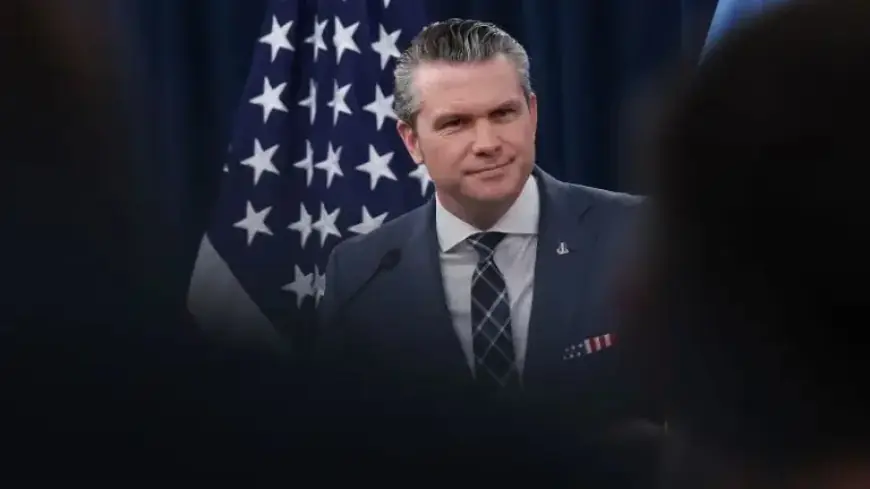
Hegseth has been a frequent face of the campaign in Pentagon briefings. He adopted a combative posture with reporters and repeatedly touted military successes. Pentagon officials did not respond to requests for comment.
White House aides said Hegseth was doing what he was hired to do: present the administration’s narrative to the public. Karoline Leavitt, the White House press secretary, told Filmogaz.com that the secretary has been a consistent supporter.
Style and substance
Hegseth and Gen. Caine presented together but with contrasting styles. Hegseth was described as bombastic and outwardly confident. Caine remained measured and reserved.
At times Hegseth attacked media coverage and defended the administration’s handling of casualties. He often declined to discuss operational details, citing security concerns, while insisting the campaign was succeeding.
Political and institutional effects
The conflict has elevated Hegseth’s visibility inside the administration. Sources said he previously had been on the back bench. Since the start of operations, he has held more Pentagon briefings than during earlier months in office.
His tenure has not been without controversy. Officials cited past missteps, including the use of an encrypted app to discuss war planning. Those incidents created headaches inside the White House.
War aims and crossroads
One month into the conflict, U.S. strategy faced critical choices. Iran effectively shut the Strait of Hormuz, sources say. A senior oil shipping broker warned global energy markets risked reaching crisis levels.
Trump has weighed deploying ground troops. Officials said options include putting pressure on Tehran or securing Iran’s enriched uranium. That approach carries risks of higher U.S. casualties and long-term entanglement.
Diplomatic efforts to end hostilities remain in early stages, according to people familiar with the matter.
Capitol Hill briefings
On classified briefings to lawmakers, Hegseth largely stuck to a prepared script. Lawmakers described him as careful and restrained in those settings. Other officials, including Marco Rubio and CIA Director John Ratcliffe, answered questions more directly.
Observers note how Hegseth has shifted from critic of foreign interventions to advocate for the Iran campaign. Some sources used blunt language to describe his posture. One said he was “very trigger happy” and favored forceful action.
For the public, Hegseth Champions Military Strength in Iran Conflict On and Off Camera has become a succinct way to describe his dual role as spokesman and supporter. The president has publicly praised the secretary’s enthusiasm, saying some aides did not want the conflict to end quickly.
The coming weeks will test both the military plan and the administration’s narrative. Questions remain about strategy, risks, and how the campaign will conclude.