





















Bullet Mismatch Found in Charlie Kirk Case: Investigators Consider Multiple Suspects

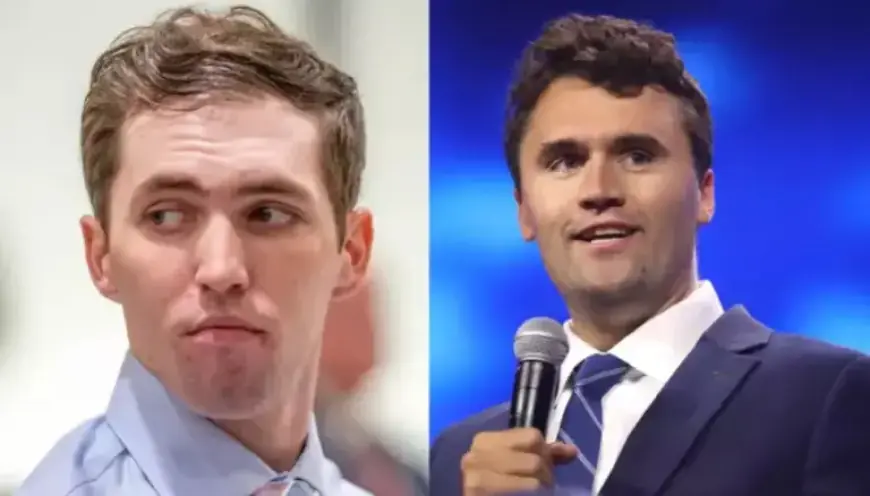
The investigation into the killing of conservative leader Charlie Kirk has taken a new turn. Defense lawyers say forensic evidence now raises doubts about the rifle tied to the accused shooter.
Forensic dispute over the bullet
Defense filings obtained by Filmogaz.com state the autopsy bullet could not be linked to the family rifle. They say the Bureau of Alcohol, Tobacco, Firearms, and Explosives could not identify the bullet as fired from that weapon.
Attorneys also report DNA testing produced multiple genetic profiles on key items. They argue these mixed results need specialist review before the case proceeds.
Evidence and discovery issues
The defense says investigators provided nearly 20,000 files in discovery. Those records include audio, video, and documents.
They contend critical forensic data remains missing. As a result, they asked for at least six months to delay the preliminary hearing.
Arrest, confession and case status
Authorities arrested 22-year-old Tyler Robinson, a Utah resident. Officials say he was handed over by his father after an alleged confession.
Officials say Robinson admitted involvement in a Discord group chat. He first appeared in court in Provo, Utah, on capital murder charges.
Prosecutors plan to use DNA and ballistic reports, social media posts, and witness testimony. The defendant faces a possible death sentence if convicted.
Shooting details
Charlie Kirk was shot in the neck while speaking at Utah Valley University. The shooting occurred in broad daylight on campus.
Security footage reportedly captured a distant silhouette on a nearby rooftop. Investigators recovered the fatal bullet during autopsy procedures.
Questions about other actors
The defense’s claims have fueled debate about whether the case involved others. Observers point to a possible bullet mismatch in the Charlie Kirk case.
Prominent commentators have publicly doubted the lone-shooter account. They suggest investigators consider multiple suspects as the probe continues.
Potential witnesses and public figures
Former counterterrorism official Joe Kent has said he may testify. In a March 2026 interview, he voiced skepticism about the lone-shooter narrative.
Public figures such as Candace Owens, Megyn Kelly, and Tucker Carlson have also questioned the single-perpetrator theory. Their comments have intensified public interest in the investigation.
Next steps in court
The next hearing is set for April 17, 2026. Judges will also decide whether cameras and microphones are allowed in the courtroom.
Defense attorneys seek testimony from an ATF firearms analyst as potential exculpatory evidence. Prosecutors intend to present witness statements, including from the defendant’s parents.