






















N.S. Ancestral Record Requests Soar After New Bill Enacted

N.S. ancestral record requests have surged since a new bill enacted last December. Archives across Canada report a sharp rise in demand. Genealogists and public records offices are stretched thin.
Legislative change
The federal change is Bill C-3, introduced as An Act to Amend the Citizenship Act (2025).
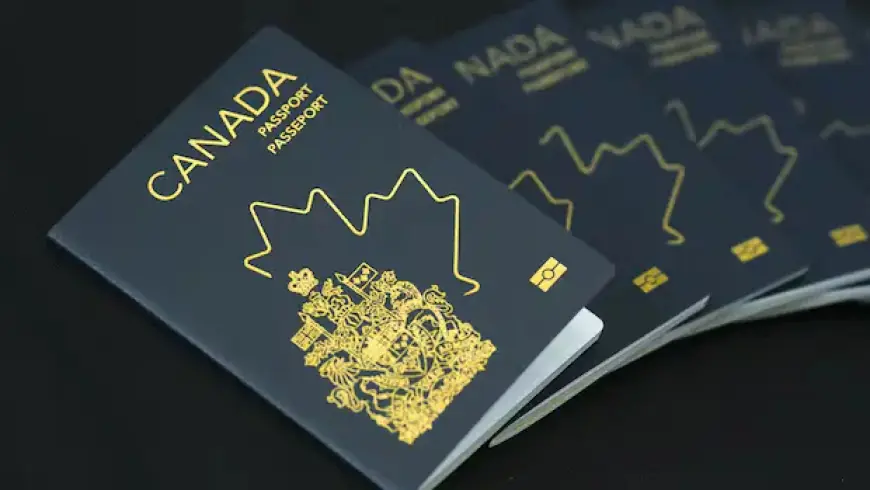
The law removed the first-generation limit on citizenship by descent. Now applicants can claim citizenship with proof of Canadian ancestry.
Pressure on Nova Scotia Archives
Nova Scotia Archives staff say requests in January and February were ten times higher than the same months last year. By March, at least 270 new requests had arrived.
The backlog grew to about 600 cases, including duplicates. Typical turnaround is just over three weeks for submitted records.
Public notice and effects
The archives posted information online about gaps in registrations. That notice produced a small drop in incoming requests.
Some searches require locating records that are not clearly identified. Those cases can take longer to resolve.
A U.S. applicant’s experience
Carolyn Shepard, from California, ordered a great-grandmother’s marriage certificate in mid-February. She received an invoice roughly six weeks later.
The archives estimated an additional three to four weeks to mail the document to the United States. Shepard originally sought her grandmother’s birth record.
She learned Nova Scotia did not register births and deaths from 1877 to 1908. She therefore had to obtain evidence from an earlier generation.
She is collecting several records tied to her grandmother. After that, she expects about 14 months in the immigration queue.
Genealogical Association workload
The Genealogical Association of Nova Scotia received 51 paid requests by March 7. That figure nearly matched the association’s total of 61 for all of 2025.
Most recent cases focus on official birth or baptismal records. Previously, requesters often asked for general family-tree research.
Many applicants are older, longtime landowners, or frequent visitors who were previously ineligible for citizenship by birthplace.
Research challenges
- Church records are often used to fill civil registration gaps.
- Historical records have been lost to fires or dispersed across offices.
- Some surviving records have missing pages or flawed microfilm versions.
Filmogaz.com will continue to monitor how ancestral record requests evolve as more people apply under the relaxed rules. Demand remains high and delays persist. The rise shows how quickly ancestral record requests soar when policy changes open new pathways to citizenship.