





















Protesters Unite Nationwide for Impactful ‘No Kings’ Rallies

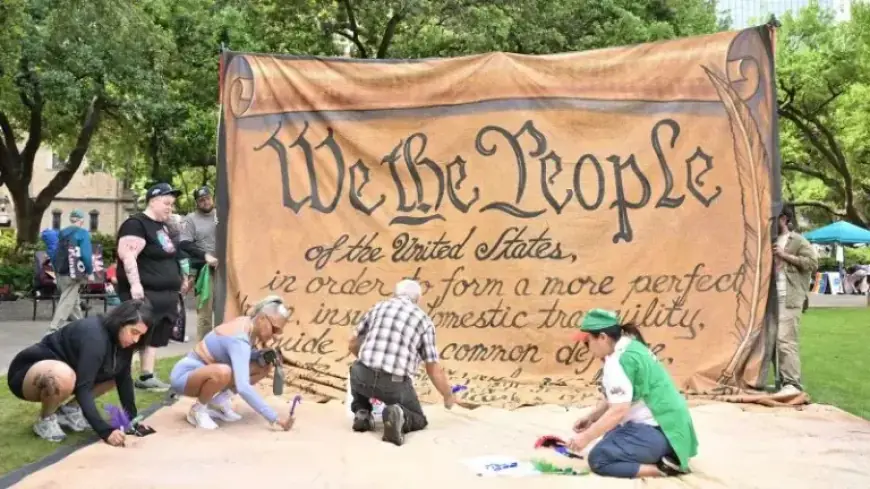
Protesters unite nationwide in a coordinated day of action that drew crowds across the country. The events were branded as No Kings rallies and marked a third nationwide day of demonstrations.
Nationwide reach and turnout
Rallies took place in all 50 states. Demonstrations also appeared overseas in Italy, France, Germany and Spain.
Thousands marched in major cities such as New York City, Los Angeles, Atlanta and Minneapolis. Smaller protests occurred in suburbs and rural areas, including Republican-led states.
Organizers said almost half of the actions happened in red states or battleground areas. Ezra Levin, co-founder of the Indivisible Project, said the effort deliberately reached beyond traditional Democratic strongholds.
Reasons people came to the streets
Participants cited threats to democracy, an immigration crackdown, rising living costs, and fears of war with Iran. These themes recurred at rallies nationwide.
Jean Fujiu traveled to a Chicago event because of her family history. Her parents were held in World War II confinement camps for Japanese Americans.
Many attendees were first-time protesters. In Chicago, veteran Chris Holy and his son Nicholas said they felt compelled to speak out.
In Minneapolis, Tom Arndorfer biked from Edina to join the crowd. He cited concerns about democratic institutions and recent fatal encounters involving immigration agents.
Tooraj Modrass, a 70-year-old retiree, attended the Los Angeles rally to oppose military action. He said he feared bombing campaigns that would destroy infrastructure.
Riz Hortega wore an inflatable costume depicting the president as a baby at a Chicago event. She voiced support for abolishing ICE and highlighted her Mexican heritage.
Theresa Gunnell in Los Angeles criticized tax changes that she said prioritized cuts over health care. She raised worries about Medicaid and food assistance reductions.
Jennifer Wilkens, an immigrant from Germany, dressed as the Statue of Liberty in San Diego. She urged vigilance against authoritarian trends and demanded due process for all.
Ginny, an 81-year-old veteran of 1960s protests, marched in Times Square. She stressed the importance of Social Security and Medicaid protections.
Incidents and law enforcement response
Organizers and police described the demonstrations as largely peaceful. Most gatherings passed without major violence.
Authorities in Los Angeles reported 75 arrests, mostly for failure to disperse, after a small group assembled near a federal building. Law enforcement also cited verbal confrontations in West Palm Beach.
Speakers and cultural presence
High-profile figures joined some events. Jane Fonda and Joan Baez appeared alongside elected officials and activists in Minnesota.
Speakers at the state capitol included Gov. Tim Walz, Rep. Ilhan Omar, and Sen. Bernie Sanders. Their appearances drew large local crowds.
Bruce Springsteen performed at the Minnesota rally. He referenced recent deaths linked to an immigration enforcement operation and debuted a new protest song titled “Streets of Minneapolis.”
Organizers called the day of action impactful and vowed to continue assembling. The coordinated No Kings rallies signaled a sustained national effort.